About Me

My photo
We started this school from scratch because we wanted to do it better and to do it right. We believe in good food. We believe in education. We believe in the communion that takes place between people sitting down together over an expertly crafted meal. We believe that learning to cook and bake should be affordable. We believe that solid skills, proper technique, educated palates, and comprehension of kitchen math are the cornerstones for cooks with futures, so that is what we teach. We are not perfect, but we strive for perfection. We expect our students to work hard and try every day and every minute. We expect the same from ourselves. We have heard our graduates referred to as 'Kitchen Ninjas' (at which we laugh but think that the term might fit). We do not want to take over the world. But we do want to make it a better place, filled with better cooks and bakers, better food, and a higher awareness of what it means to cultivate, harvest, render, prepare, cook, plate, present, savor, and give thanks, while taking responsible steps to make sure that those who come after us will have the same or better opportunities.

Monday, November 15, 2010

Coffee - Panacea or Poison?

by OCI Culinary Management student Robert Lindner


First consumed as a beverage in Ethiopia in the 9th century, coffee has become one of the most widely consumed beverages in the world. The social impact of coffee over the centuries has been two-fold: on the one hand, coffee has been used as part of religious ceremonies and a sign of high esteem; on the other hand, it was banned in many societies due to its association with rebellious political activities. Historical and societal impacts aside, I will focus on the ongoing arguments surrounding the consumption of coffee and its positive or negative impacts on a healthy lifestyle.

It’s hard to dispute the popularity of coffee. Over 70 countries in the world, all along the equator, grow coffee, and more than 400 billion cups of coffee are drunk each year worldwide. Coffee is the second most traded commodity on earth, second to oil. With such an impact on us humans, various scientific studies have focused on what impact, if any; coffee consumption has had on human physiology. As with anything we consume, moderation is the key. I firmly believe that coffee’s contribution has had a positive influence on all that enjoy the beverage. I will show both sides of the argument and will support my belief by referencing scientific studies, magazine and newspaper articles.

The History of Coffee

Although the story of the of the goat herder, noticing that his goats were more lively after eating berries from a certain bush, is very popular, there is no hard evidence to show when the discovery of coffee actually happened. The coffee tree probably originated in what today is known as Ethiopia (www.cosic.com). Before it was discovered to have a stimulating effect as a beverage, the fruit of the coffee tree, or cherry, was consumed as a food. Around 1,000 years ago, some evidence has shown that cultivation of the coffee tree began in monastery gardens and commercial cultivation followed some time later in the 15th century.

Although the history of the coffee as a beverage is murky, sometime in the 9th Century Arabs began boiling the beans for make a stimulating drink called ‘qahwa’, which literally translates to “that which prevents sleep” (www.firstscience.com). This drink, offered at these early coffee houses, became known as Arabian Wine. The Muslim religion forbids the consumption of alcoholic drinks, so coffee became a very popular, stimulating alternative. It wasn’t until the 13th century that it was discovered that roasting the beans provided a much better taste and flavor, and thus the modern coffee drink was born.

In 1554, the first coffee houses opened in Istanbul, Turkey. (www.ico.org). These coffee houses were a far cry from the genteel, pleasant environments found in modern day coffee houses. The coffee houses of the Ottoman Empire were apparently dens of iniquity and offered much more than coffee to its patrons. Along with the newly popularized coffee beverage, one could also partake in gambling, drug use, prostitution, as well as watch plays and dance performances. Needless to say, these early coffee houses were controversial, especially since the orthodox Islamists considered these activities sinful. Despite the opposition from the religious conservatives, the coffee houses flourished, and by the 16th and 17th centuries, Ottomans from various social ranks converged to discuss, socialize, and enjoy coffee. It is believed that the growing coffee house culture contributed to the development to the early capitalist system and that growing consumerism was changing the face of the Ottoman Empire (feeds.bignewsnetwork.com).

Soon, the popularity of coffee eventually grew to those outside of the Muslim religion. Through various traders traveling to Europe, it wasn’t too long before coffee gained a foothold in England. By 1675, there were over 3,000 coffee houses in England, and shortly thereafter its popularity spread to the Americas. The Dutch were instrumental in the proliferation of the coffee in the western world. Although the Arabs attempted to prevent the cultivation of coffee elsewhere, the Dutch were able to smuggle a few plants in the early 1600’s to the Netherlands and successfully grow them in greenhouses. By the late 1600’s the Dutch were growing coffee in India and Indonesia, and with these plantations, Dutch traders became the main suppliers of coffee to Europe and the Americas.

Coffee Today

Today, coffee retail sales are estimated to be about $70 billion worldwide. Approximately $6 billion goes to the producing countries and $64 billion garnered by retailers. The coffee industry is unusual in that 70% of the world crop is grown on farms that are less than 25 acres large and are family-run, and provides a living for over 20 million people worldwide (www.firstscience.com). It is interesting to note the disparate conditions in profit between the growers and retailers. Coffee prices to consumers have continued to rise, however the small farmer producers are seeing very little of this growing market. More often than not, the small farmer is left in the dust while the large corporations continue to have record profits. To counter this, the Fair Trade movement was created to ensure the vast majority of the small growers receive a fair price for their harvests. Generally, the small farmers create collectives that, in turn, give them some guarantees at minimum price per pound regardless of market, credit, and establish long term relationships with retailers. These fair payments provide economic stability, health care, education, and independence for these cooperative farmers. Today, there are over 100 companies, such as Starbucks, Peet’s, and Tully’s that have developed relationships with Fair Trade Cooperatives (globalexchange.org).


Coffee is made in a number of ways and can be of varying degrees of concentration. But before one can make coffee though, the beans first need to be processed. The smell and flavor that you get from the coffee that you purchase is obtained through the roasting of the bean. Coffee beans, which are green when picked, are heated between 180 and 240 degrees Celsius for up to 15 minutes, depending on the intensity of the roast required. During the heating process, water evaporates from the beans and a chemical process called pyrolysis. This is where the starches in the bean are converted to sugar and the proteins are broken down, changing the chemical structure of the coffee bean. It is important to monitor the beans during the roasting process: too much heat and the beans will burn and the caffeol, the substance that makes coffee smell so good, will be diminished. If the bean is not roasted enough, then not enough of the caffeol is released, and the aromas are not as ideal as they can be. Roasting is an art, and usually done in small batches in order to control the process and create a consistent product (www.ico.org).

Brewing coffee can be done in a myriad of ways, and is usually dictated by personal preference. The most popular method today is probably the filter method in which finely-ground coffee is placed in a paper lined, cone shaped container with a hole in the bottom. Hot water is poured over the coffee enough to cover all the grounds and fill the cone. The water then passes through and the coffee flavor is extracted as the water empties into the receptacle. This process can be done either manually or automatically via electric coffee machines.

One of the best ways to extract flavor from coffee is through the Plunger or French Press method. Thought to have been invented in the 1930’s, the method is simple: coarsely ground coffee is placed into a pot, and hot water is added to the pot. After stirring the grounds in the water, it is allowed to steep for up five minutes, at which time a plunger with a finely meshed metal filter is pushed down through the liquid. This process separates the grounds from the freshly brewed coffee, leaving you with perfected brewed, intensely flavored coffee.

One of the fast growing popular methods of coffee making is the espresso method. A specially designed machine forces hot water through finely ground coffee into small glass cups. A very high level of pressure is required to make this type of coffee, and thus the equipment tends to be very expensive. The important thing to keep in mind when making espresso is to not over-extract the coffee. A perfect crema, the golden-brown liquid from a perfectly brewed espresso is what each barista or coffee jockey strives for.


One of the popular alternatives to brewed coffee is instant coffee. Instant coffee was developed by Satori Kato in Chicago in 1901 and marketed by Nescafe in 1938. Although flavor and aroma are sacrificed in its making, convenience is the main advantage that instant has over brewed coffee. Instant coffee is made from roasted, ground coffee beans which are then concentrated through water removal either by heating or freezing. The resulting products are tiny granules - the instant coffee (www.ico.org).

Coffee and Religion

Coffee and religion have had a tumultuous relationship. Although initially accepted by the Muslim religion, it ran afoul with the orthodox imams in Mecca in 1511 for its stimulating effect. Interestingly, although conservative Muslims condemned coffee, it was extremely popular with the general population and became an integral part of both their religious and secular lives (www.nationalgeographic.com). As coffee’s popularity spread throughout Europe, devout Catholics damned it as “the drink of infidels” (www.nationalgeographic.com) and, as a result, sinful. A movement by monks to ban the drink in the 1500’s was foiled by Pope Clement. Seeing that coffee enabled the monks to stay awake during Mass, instead of banning the drink, he blessed it.

Today, coffee is enjoyed by many people from diverse religious and socio-economic demographics. People from many different countries around the world drink coffee. Starbucks, the largest coffee chain house—16,000 outlets worldwide as of 2008—is at the forefront of the coffee culture throughout the world(www.msnbc.msn.com) The US, with the largest single market for coffee products in the world has a bottomless need for the dark brew. Germany comes in at number two, but with regards to the most coffee consumed per person, that honor belongs to Finland where the coffee drinkers there average about four cups of coffee per day (www.enotes.com). In the US, coffee drinking has become a very social event; a chance to meet with friends and catch up or to just sitting quietly while enjoy a cup. However, there is one country today that practices a very elaborate coffee ceremony. Ethiopia, the birthplace of coffee, takes drinking coffee very seriously. As described by Emily Doyle from Epicurious.com (www.brewed-coffee.com):

The ceremony is usually conducted by one young woman, dressed in the traditional Ethiopian costume of a white dress with coloured woven borders. The long involved process starts with the ceremonial apparatus being arranged upon a bed of long scented grasses. The roasting of the coffee beans is done in a flat pan over a tiny charcoal stove, the pungent smell mingling with the heady scent of incense that is always burned during the ceremony. The lady who is conducting the ceremony gently washes a handful of coffee beans on the heated pan, then stirs and shakes the husks away.


When the coffee beans have turned black and shining and the aromatic oil is coaxed out of them, they are ground by a pestle and a long handled mortar. The ground coffee is slowly stirred into the black clay coffee pot locally known as ‘jebena’, which is round at the bottom with a straw lid. Due to the archaic method used by Ethiopians, the ground result can be called anything but even, so the coffee is strained through a fine sieve several times.

The youngest child is then sent out to announce when it is to be served and stands ready to bring a cup of coffee first to the eldest in the room and then to the others, connecting all the generations. The lady finally serves the coffee in tiny china cups to her family, friends and neighbours who have waited and watched the procedure for the past half-hour.

Coffee and Health

The ritual and social observance of drinking coffee by the Ethiopian culture is as elaborate as any of those for tea, and is an integral part of the Ethiopian societal structure.

With its popularity, the benefits and hazards of coffee has come under greater scrutiny. From the beginning, coffee has been consumed due to its stimulating effects from caffeine; a chemical found in coffee that has shown to affect stamina, mental acuity, mood, and the digestive system. Caffeine, scientifically known as 1,3,7-trimethylxanthine, is the most widely used psychoactive drug in the world, and about 80% of the world’s population consumes it on a daily basis (www.medicinenet.com). Caffeine is found in coffee, tea, soda, cocoa, and chocolate.

Unfortunately, like all drugs, there are side effects. Caffeine increases blood pressure and heart rate and can cause palpitations, diarrhea, tremors, and insomnia. Compounding these maladies, coffee withdrawal can also lead to headaches, depression, and drowsiness. Too much caffeine may lead to sleep deprivation and may lead one to ignore the signs that the body needs rest. Two substances in coffee, kahweol and cafestol (www.health.harvard.edu), have led scientists to believe that the consumption of unfiltered coffee, as in made from a French Press or through an Espresso method, may lead to an increase in bad LDL cholesterol (http://seattletimes.nwsource.com). Scientific study has also looked into the connection between caffeine, heart disease, and osteoporosis, but has come to no definitive result.

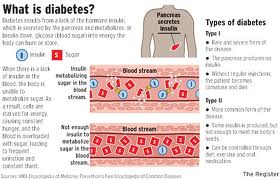
Fortunately, there is compelling evidence that coffee’s positive effects greatly outweigh the negative. Studies have shown that although caffeine may be addictive, most that drink coffee do so out of the pleasure of its aroma and flavor (www.medicinenet.com). A Harvard Women’s Health Watch study (www.health.harvard.edu) has revealed that moderate drinking may offer some health benefits. Research has shown that moderate consumption may also reduce the risk of type 2 diabetes than those who do not drink coffee. Type 2 diabetes is the most common form of diabetes found today. Although millions have been diagnosed with type 2 diabetes, many more are not aware that they have the disease. In type 2 diabetes, the body does not make enough insulin, or the cells ignore the insulin it produces. Insulin is important because it helps break down glucose, which is made from the sugars and starches we consume, and provide energy for the cells. When the glucose is not utilized by the body and continues to build up due to Type 2 diabetes, it can cause severe health issues. Coffee may contain chemicals that lower blood sugar as well as increase your resting metabolism rate, which may forestall the development of diabetes. Furthermore, coffee may also reduce the potential for gall stones, help prevent colon cancer, reduce the risk for liver and Parkinson’s disease (www.physorg.com).

One of the most interesting discoveries of coffee’s benefits is that it may be a buffer for the liver against alcohol. In a report first published in 1992 in the Archives of Internal Medicine (http://seattletimes.nwsource.com), from 125,500 Kaiser Permanente health plan members, heavy alcohol drinkers cut their chance for cirrhosis of the liver by 20% per cup of coffee. Cirrhosis is a condition in which the liver slowly deteriorates and malfunctions due to chronic injury. Scar tissue replaces healthy liver tissue, partially blocking the flow of blood through the liver. A healthy liver is able to regenerate most of its own cells when they become damaged. With end-stage cirrhosis, the liver can no longer effectively replace damaged cells. A healthy liver is necessary for survival. (www.medicinenet.com). The researchers surmise that when the liver metabolizes coffee, a side effect is the inhibition of inflammation of the liver when alcohol is present. Studies in the Harvard Health Letter further suggest that coffee may be able to fight liver cancer. In a recent study, coffee drinkers were 50% less likely to develop liver cancer than non drinkers (www.health.harvard.edu).

Caffeine has also shown to increase the production of dopamine in the brain; dopamine is a chemical integral to pleasure and stimulation. What is dopamine? Dopamine, as described by Phillip Newton, PhD, “ is a neurotransmitter, one of those chemicals that are responsible for transmitting signals in between the nerve cells (neurons) of the brain.” (www.psychologytoday.com) Very few neurons actually make dopamine. Some, in a part of the brain called the substantial nigra, are the cells that die during Parkinson’s disease. This is important because it’s been shown that coffee can help prevent Parkinson’s disease. Parkinson’s disease is a progressive nervous system disorder that affects movement. It starts gradually with a barely noticeable tremor, but can include the slowing or freezing of movement. Speech becomes jumbled or slurred and eventually all these symptoms become worse with time as the disease progresses. There is no cure for this disease. The cells that produce dopamine are also the same ones that cause Parkinson’s, and if the cells are busy making dopamine, they are not working on the disease. It is important to note that this benefit against Parkinson’s is evident only in males. One theory suggests that the hormone estrogen in women prevents this beneficial effect of coffee (www.health.harvard.edu).


Coffee is also rich in antioxidants - vitamins, minerals, and enzymes long known to fight against ageing and disease. In a study conducted at University of Scranton, in Pennsylvania, it was discovered that, of 100 popular food items generally consumed by people in the US on a daily basis, coffee offered the most antioxidants at 1,299 milligrams daily; the second highest was tea at 294 (www.psychologytoday.com). Generally, antioxidants are found most in fruits, vegetables, and herbs. However, because few people eat the necessary amounts of fruits in vegetables, but drink large amounts of coffee, which has become the dominant source of antioxidants in the American diet.

So the question remains: Is coffee a poison or a panacea? It’s hard to refute the impact that coffee has had on the world’s history. It has spurred religious fervor in both the Muslim and Catholic Church, not without controversy mind you. Coffee fueled the growth of economies and exploration during its early expansion. The Dutch traders not only were instrumental in the hooking the Western World onto the coffee craze, but they also helped develop and expand the reach of the western world into the undiscovered new world. From the planting, growing, distribution, and sale, coffee today holds pride of place as one of the top commodities traded in the world. This impact has, in some way, changed in the way people treat with their fellow man. The Fair Trade act, which began with the coffee trade but now, includes many other industries that affect third world countries, has allowed the profits from this economic juggernaut to be spread more evenly to the farmers who provide this vital bean to the world. Grassroots movements led by the coffee consumer have brought the recognition that, if we do not help small grower succeed, then the coffee industry will fail. With regards to the medical impact of coffee, it’s hard to refute the benefits that coffee potentially has on humans. The studies have shown that coffee can have a positive impact on some of the most prevalent diseases that afflict mankind today. Studies continue to discover further the value that coffee could bring and it all looks good. The important thing to remember, as with anything, is that moderation is the key. When one takes in too much of anything, regardless of whether it is considered “good for you”, it will have detrimental consequences. Instead, I suggest that you take pleasure in your cup, or cups, of coffee. Enjoy the aroma and the flavor and remember that coffee is your friend.

Monday, November 1, 2010

Hey, Hey, Ho, Ho, GMOs Have Got To Go!

by OCI Culinary Management Student James Bonanno

Author James Bonanno
What is genetic engineering? Is it the science of creating mutant super-heroes? Killer tomatoes? The walking dead? These questions are posed to us, the consumer, because it is a very scary science. It may not re-animate the dead or create super-heroes, but the science of genetic engineering is a somewhat new and unknown technology, and can be just as scary as that fore-mentioned. Genetic engineering is a technology that alters genetic make-up of a said organism to produce the desired effects for the manufacturer. This technology has been pushed upon the civilians of this planet without full understanding of the consequences it may have on earth’s inhabitants. In my opinion, GMO’s have not been tested nor studied for the long term and should not be used for human consumption.

Genetically Modified Organics have many agricultural applications such as pest/drought/frost resistant plants, novelty foods, livestock medications, crop yields, and pesticides. With minimal long-term studies being done on Genetically Modified Organics there is no doubt in my mind that we should be questioning the prevalent use of this little-understood technology in our environment.


Genetically Modified Organic is a somewhat self-explanatory term, which simply means the insertion of a new gene or enzyme into the DNA structure of a plant, animal, or bacteria to achieve a desired result such as larger fruit, pest-resistant plants, animals that create cancer-fighting enzymes and higher crop yields.
The catalyst for many researchers and geneticists today was Darwin’s book The Origin of Species, published in 1859, describing how evolution results from natural selection. Today scientists subvert this natural selection by altering plant and animal DNA, in essence acting as a laboratory god to create animals and plants with a higher tolerance to common ailments and environmental factors.

The idea of genetic engineering has been around for thousands of years. Many early civilizations used selective breeding in livestock to produce larger, healthier animals. Early civilizations also used cross-pollination to produce a larger variety of edible vegetables and fruits. With early practices of hybridization and cross-pollination, there were no environmental, nor physical damage done to the animal, human, or plant. Within the last forty years the scientific community has taken leaps and bounds with mapping out the genetic make-up of many plants and animals we use in our everyday life.

The first successful genetic engineered experiment came in 1973, when a gene from an African clawed toad was inserted into bacterial DNA, heralding the era of Recombinant DNA technology. (Recombinant DNA [rDNA] is a form of artificial DNA that is created by combining two or more sequences that would not normally occur together.). Scientists are cloning mammals resistant to disease, plants resistant to pests, and pets that are exact replicas of the animal their DNA was originally taken from. With this technology there have been many follies and risks to the animals’ and plants’ health. For example, in 1988 the USDA inserted human growth hormones into a pig’s genes, resulting in a hairy, lethargic animal so arthritic it can barely stand. Today, we as consumers come in contact with GMO’s on a daily basis.

Our food sources have been saturated with plant and animal material that has been directly or indirectly affected by Genetically Modified Organics. The development of techniques in genetic modification which include recombinant DNA technology and cellular techniques of introducing DNA into an organism have resulted in tremendous advances in agriculture, human health and the processing industry.

The emergence of genetically modified plants, animals and microorganisms with superior genetic traits and their subsequent release into the environment have currently raised concern among the public at large and highlighted issues regarding safety.

One directly affected food product that we consume is BT corn, which is a corn that has been genetically combined with BT, a naturally occurring pesticide in our soil. Although BT is naturally occurring in soil, it is still unsafe for human consumption. Today 45% of all corn grown in the US is genetically modified, and has been deened safe by the USDA for human consumption. Another crop that is directly affected is soy. Ninety-one percent of soy crop in the US is genetically modified with a Monsanto Round-Up Ready herbicide. Recent tests have shown that GM soy has adverse affects on lab rats. When the test rats were rationed genetic soy some of the rats became sterile, infertile, and otherwise suffered detrimental effects on their reproductive organs. It is estimated that 85 % of processed foods in the US today contain Genetically Modified Organics.

In 1996 there was a UCS-authored report titled The Ecological Risks of Engineered Crops. In this report they described six kinds of potential risks genetically modified crops pose in our environment.

• Genetically engineered crops could become weeds. By definition, a weed is categorized as any plant that causes undesirable effects.
• Cross-pollination of genetically engineered crops with wild plants, which in turn will cause genetic pollution in an environment that is not controlled.
• Crops that are engineered to harvest viruses for human health research in the plant cells can facilitate the creation of new viruses that are more virulent and easier contracted by the masses.
• Crops that are engineered to express potentially toxic substances may pose risk to other organisms like birds, deer and humans.
• Crops that have been genetically engineered can possibly agitate the natural order of the eco-system and cause ripple effects through our environment.
• Last, genetically engineering crops with terminator gene (which renders a plant’s seeds infertile) can cause undesirable effects through cross-pollination that might threaten plant and crop diversity. These potential risks described above will not be evident immediately, but with no long-term studies done on genetically engineered crops we can expect genetic pollution as a very real threat to our livelihood in the future.

Nor can we say that there have been no adverse effects on our environment because there may be subtle effects taking place with other plant species and animals that we have not yet noticed. The only monitoring systems that are in place right now for these genetically modified crops are insect and weed resistance. (http://www.ucsusa.org/)

Genetically Modified Foods should not be deemed safe for human consumption due to these four factors:
• There have been no long term studies done on human consumption of genetically engineered foods.
•  As many new genes are introduced into plants that do not normally carry allergenic genes the threat of higher allergic reactions looms. For instance, if a biotech company introduced peanut genes into a soy product, mortality rates could soar. Allergenicity, as a matter of principle, the transfer of genes from commonly allergenic foods, is discouraged unless it can be demonstrated that the protein product of the transferred gene is not allergenic.
• Gene transfer from GM foods to cells of the body or to bacteria in the gastrointestinal tract would cause concern if the transferred genetic material adversely affects human health. This would be particularly relevant if antibiotic resistance genes, used in creating GMOs, were to be transferred.
• Another problem we face with genetically engineered crops is the movement of genes from GM plants into conventional crops or related species in the wild (referred to as “outcrossing”), as well as the mixing of crops derived from conventional seeds with those grown using GM crops, may have an indirect effect on food safety and food security. (WHO.int)

Well how did this all get started? In 1973, Cohen and Boyer perform the first successful recombinant DNA experiment, using bacterial genes. Essentially, these two scientists were the godfathers of genetic engineering.. It wasn’t until the mid 1980s that the first field tests of genetically engineered plants, specifically tobacco, were conducted. Within a year, Advanced Genetic Sciences’ Frostban, a genetically altered bacterium that inhibits frost formation, was field-tested on strawberry and potato plants in California. These were the first authorized outdoor tests of an engineered bacterium. After six years of field tests, the FDA declared GMO foods are “not inherently dangerous” and did not require special regulation.

In 1994, Calgene’s Flavr Savr tomato was introduced to the world. With this genetically modified tomato, Calgene hoped to slow the ripening process and prevent it from softening while maintaining it’s normal color and flavor. It was not long after that tomatoes introduction that the genetic boom started to take hold. Genetically Modified soy and corn were both planted in 1995. Only one short year later, these crops hit the supermarket shelves and were deemed safe without being tested. The following year, the GM soy crops jumped drastically to seven percent of the total soy grown in the United States and GM corn was nearly two percent of the total national corn grown.

While geneticists were working on genetically engineering plant matter in the US, something more sinister was brewing across the pond. In February 1997, the Roslin Institute and PPL Therapeutics plc announced the first production of Dolly, the cloned sheep who was the first mammal to be cloned from the somatic tissue of an adult. Dolly was of almost the same genetic composition as the sheep from whose cells she was developed, but she was not genetically engineered as such.

Five months later, on July 24th, PPL announced that Polly, a genetically engineered lamb, had been produced by the same method of nuclear transfer that had produced Dolly. In addition to her usual complement of sheep genes, she also contained a human gene which had been added to the cells while they were still a cell culture.

It was in 1999 that European nations became more aware of Genetically Modified Foods, and thus began to for a negative opinion of them. This helped bring GMOs into the world’s spotlight. Many Europeans believed that the use of bacteria, or human DNA in our food supply was ethically, morally, and socially unacceptable. The year 2000 brought the first known case of GMO corn polluting the human food supply. Starlink GMO corn that was approved solely for animal feed ended up in corn products for human consumption as well. In 2002, another biotech company named Prodigene became the center of attention. Prodigene violated the US Plant Protection Act by allowing experimental biopharmaceutical corn to mix with a commercial soy crop. Next, another biotech giant, Monsanto, developed a GM wheat. They did however, decide against selling the wheat due to negative public perception.

By the end of 2004, 85% of soy and 45% of corn crops grown in the US were genetically modified. Currently in the US we have 92% of the world’s genetically engineered crops, comprising 58% of our national crops. In the last few weeks, genetically engineered salmon has been approved by the USDA for human consumption. And, as I type, Monsanto is experimenting with genetically engineered pigs for human consumption. The Biotech companies are definitely not slowing down in their pursuit of patenting all living animals and plants! (http://www.ncbiotech.org/)


Here are is a study done by Steve Connor showing that there are no real economic benefits to farmers that grow GMOs.

It pays NOT to cultivate GM crops!

The first economic analysis of growing genetically modified crops on a wide scale has found that the biggest winners were the farmers who decided not to grow them.  The study, which looked at maize yields in the corn belt of the United States, found that farmers who continued to grow conventional crops actually earned more money over a 14-year period than those who cultivated GM varieties.

All farmers benefited from the significantly lower level of pests that came about after the introduction of GM maize to the US in 1996, but the conventional farmers who continued to cultivate non-GM varieties also benefited financially from not having to pay the extra costs of purchasing GM seeds. Previous studies into the economics of growing GM crops have concentrated on the farmers who have taken up the technology but, latest research looked at a wider area, including non-GM fields that may have benefited from being near fields planted with GM varieties.

Paul Mitchell, an agricultural economist at the University of Wisconsin-Madison where the work was carried out, said the main corn-growing states of Wisconsin, Minnesota, Illinois, Iowa and Nebraska experienced a total economic benefit of $6.9bn (£4.6bn) over the period from 1996 to 2009 as a result of less maize being lost to the corn-borer pest.

But the non-GM corn areas accounted for 62 per cent of this total economic benefit because, in addition to preventing crop losses resulting from lower levels of pests, these farmers did not have to spend any extra money on the technology fees associated with the purchase of GM maize.

"Previous cost-benefit analyses focused directly on transgenic crop acres. This study is the first to include the value of area-wide pest suppression and the subsequent benefits to growers of non-transgenic crops," Dr Mitchell said.

"In this case, the value of the indirect yield benefits for non-Bt crops exceeded the net value of direct benefits to the BT corn acres.

"The study, published in the journal Science, found that Wisconsin farmers benefited to the tune of $325m as a result of the overall suppression of the corn borer pest between 1996 and 2009. About 75 per cent of this cumulative economic benefit went to the farmers who cultivated non-GM maize.

William Hutchinson of the University of Minnesota, the study's lead author, said an analysis showed that the European corn borer moth has declined in the fields neighbouring those of GM crops by between 28 and 73 per cent, depending on the initial level of infection. The scientists were able to make these estimates because of good records of pest populations going back 45 years.

Steve Connor, Science Editor
In Steve Connor’s research, I see without a reasonable doubt that we, as consumers and tax-payers, have no need for these GM products being sold in the United States. He has shown that farmers growing conventionally can make more money without GM crops. When the biotech companies claim that Growing GM crops is more cost efficient, (I say “the results speak for themselves.”) With conventionally grown crops, there is no need to buy seeds every year. You can save seeds and re-use them next season. With GM crops, the plants seeds carry a terminator gene, which causes that plant’s sterility.

With the terminator gene in place, you are obligated to buy seeds year after year from big biotech companies, which cause the farmer to spend more than a conventional grower that saves seeds.
As consumers, we need to be more aware of what we put into our bodies, especially those products that contain Genetically Modified Organics in which we do not yet understand the long term effects. Vandana Shiva, author of, Earth Democracy: Justice, Sustainability and peace, stated “In nature’s economy the currency is not money, it is life.” Let’s not jeopardize our lives or those of innocent plants and animals so that agribusiness corporations can gain an extra buck.

We need food reform in the United States as well as the rest of the world. We the people need to stop the use of genetically modified foods and return to conventional, growing methods. Sustainable agriculture is an approach to agriculture that is environmentally, economically, culturally and socially sustainable. Sustainable growing practices emphasizes crop diversity and rotation, conserves natural resources, and favors small and medium-sized farming rather than agribusinesses and large corporations. Moreover, it focuses on food security (ensuring there is enough food for people to eat) and thus prioritizes the production of staple crops (rather than cash crops for export). It is a key livelihood strategy for small organic farmers, who have recognized that their best hope for a sustainable future is to nurture and protect the environment. How can we promote sustainable farming? If we want to make a change from using GM food that we, as consumers, still don’t know that much about, we need to take steps to change the growing practices now in use in our country. First, we need to use aid to maximize the potential of sustainable agriculture to reduce poverty in struggling regions of our country. Next, we need to stop viewing agriculture as an export. We also need to change international trade rules so that they do not force developing countries to ‘liberalize’ their economies – instead, we ought to enable these countries to invest in sustainable agriculture and rural development. I believe the quickest and easiest way to change the climate of GMO’s in our food supply is to re-create victory gardens. During World War II food supplies were in high demand for our soldiers overseas, so American communities all across the US started Victory Gardens. These Victory Gardens were run by communities to feed the people within.

If Americans today were to start Victory Gardens once again as a form of protest we might be able to send a message to these large corporations and biotech firms. We don’t want to eat your pollution! Currently, there are many co-op farms, farmer’s markets, community gardens, and green grocers that we can support. By supporting these small businesses we will not only be eating food that is locally produced, and good for us,  we will also be giving money to farms and small companies that believe in farming practices that will not pollute our earth, nor our bodies.


Thursday, October 21, 2010

The Importance of Beer and the Benefits it Provides

by OCI Culinary Management student Kerry Powell

All around the world-- from Europe, the Americas, Asia, and beyond-- beer is celebrated as the drink of choice for various people of differing cultures and lifestyles. However, there is also a lot of controversy surrounding beer and is often seen in a more negative light than positive one. This paper is a collection of compiled research that supports the idea that, when consumed in moderation, beer has a vast array of benefits. For starters, beer has a long and extensive history that appears beside mankind for thousands of years. Many cultures have evolved around beer, and beer has become its own culture in many countries worldwide, much like the Microbrew Culture Revolution in the United States. The sale and distribution of beer boosts the economy by providing jobs, paying taxes, and encouraging consumer spending. Alcohol is known to have a number of health benefits, and beer especially has added nutrients to contribute to one’s overall wellness. Given the vast amount of benefits that beer has to offer, it should never be forgotten that abusing the substance can cancel out many benefits that it initially provides.

To help gain a better understanding of the significance of beer, it is important to look at its origins and the role it has played in history, and what is considered “beer”. In the modern world, beer is an exclusive reference to hopped malt beverages, commonly used to describe lagers. This wasn’t always the case as hops are only a more recent innovation in the use of beers. Prior to the use of hops and the development of the cold maturation process that makes lagers; the beverages brewed were actually ales (beer100.com).

Beer (ale) goes back in history almost as far as civilization does, perhaps even earlier. There are arguments as to whether it was the need for bread or beer that led the nomadic tribes to settle down to form agriculture, though these statements are not proven. The earliest chemical evidence of beer is found in pottery dated back 7,000 years ago from modern day Iran. In contrast, the earliest depicted evidence of beer occurs in a 6,000 year old Sumerian tablet that portrays people drinking from a communal bowl through reed straws (beer100.com).

In the beginning of Western Civilization, beer continued to play an important role in society. It is widely accepted that the Egyptians used beer as a form of currency. Slaves were paid in beer, and currency units were based off of the amounts of ingredients and materials required to make the beverage. In Ancient Egyptian texts, there are over 100 medical prescriptions calling for beer (Dunn). Beer was passed down to the Ancient Greeks, and Plato wrote, “He was a wise man who invented beer.” The Greeks passed their knowledge of beer to the Romans, where it played an important role during the empires fledgling years. However, during the Republic, wine surpassed beer in importance, and beer was regarded as a drink for barbarians (Raley).

Prior to the Middle Ages, the primary responsibility for brewing beer fell on women, since it was considered both a food and a drink for celebration. During the middle ages in Europe, monasteries began centralizing beer production for hospitality to traveling pilgrims. Families started to expand their homes and brewing operations to become inns with public houses, or with the Latin phrase tabernae which becomes tavern. By the fourteenth and fifteenth centuries, the brewing began to become more of an artisanal practice done primarily by monasteries and pubs for the purpose of mass consumption (Raley). In many ways, these were some of the first establishments to resemble today’s hospitality industries.

Hops weren’t always used for beer. They have been grown in France since the ninth century, but the oldest reference pertaining to the use of hops for beer wasn’t until the eleventh century when writer Abbess Hildegard of Bingen wrote, "If one intends to make beer from oats, it is prepared with hops." (beer100.com). Prior to the use of hops, various herbs and spices would be used to flavor the beer. For example, in Ancient Scotland the native Picts brewed ale made with Heather. In 1516, a new purity law in Bavaria first appeared. This law was done under Bavarian brewing guilds and made it illegal to use any ingredients but water, hops, barley, and later yeast (when it was discovered) in the process of brewing beer (Raley). The law eventually spread throughout all of Germany, and was initially made to ensure that the quality of the beer was to a certain standard by forbidding the use of lesser quality ingredients.

Beer, or ale, played a role in the founding of the United States. The Pilgrims landed at Plymouth Rock because their beer stores were getting low. As the colonies grew, colonists began putting ads in London, and other foreign newspapers calling for experienced brewers to come over to the colonies. Many of the founding fathers of the United States-- George Washington, Samuel Adams, Thomas Jefferson, and William Penn-- all brewed or had their own commercial breweries (Raley).

During the 1800s, Oktoberfest was declared a celebration. German immigrants introduced cold maturation lagers to Americans. From this, the roots of Anheuser-Busch, Coors, Miller, and Pabst had begun to grow. With approximately 2,300 breweries in 1880, beer in America was enjoying its glory years. With such a large amount of competition, combined with growing public dissent for alcohol, the number of breweries went down to 1,400 by 1914. By the early 20th century, in many Nordic countries, Canada, and the United States, Prohibitions began occurring. In the United States, Prohibition ran from 1920-1933. After Prohibition had ended, only 160 breweries hadn't gone out of business (Raley).

During the years that followed Prohibition, the giants we all know today that dominate the American beer market began their domination. These are almost like the dark ages of beer in America. Hardly any breweries survive “the plague” of prohibition, and the ones that do eventually twist and evolve to a flavorless substance made with cheaper materials and in a larger volume to make money. However, we are currently in a Renaissance of Beer in the United States. Microbreweries are rising in numbers and the larger corporations are (kind of) starting to up their product.

As well as having an extensive history alongside human kind, beer also has a number of benefits associated with it. Some of the most major of these are the economic benefits that come with the production, consumption, and distribution of said beverage. Beer helps benefit the economy by providing jobs, putting more money into the economy, and providing governments with revenue from “vice” taxes. In 2008, the malt beverage industry generated $41 billion in business, personal and consumption taxes (Business Source Premier, Beverage Industry).

To put it simply, beer puts money into the economy. “Brewers, beer importers, beer distributors, brewer suppliers and retailers directly and indirectly contribute more than $198 billion annually” (Business Source Premier, Beverage Industry). This all starts with the agriculture industry, which brewers support by purchasing the necessary grains and hops to make their product. Then it affects the wholesale and hospitality industry by providing product, revenue, and potential customers. A large portion of a restaurant’s income comes from the bar, and beer is one of the more popular beverages that appear in restaurants. Other tiers that the malt beverage industry affects are the suppliers, shipping, and even governmental tiers that regulate the industry (Dunham).

The malt beverage industry also opens up, supports, and provides many jobs. It is said that the beverage industry provides, or influences to provide over 1 million jobs in the United States (Business Source Premier, Beverage Industry). Think of the amount of jobs that indirectly involve the sale of beer. Beer makes up a healthy amount of sales in the places that provide and distribute it. Farmers work to grow the necessary ingredients. Truck drivers trek across country to deliver it to distributors. Warehouses hold the product in its various forms of completion. Manufacturers make the equipment necessary to make the beer. People pay taxes when they buy their beer. The brewing industry pays taxes to make their product. The industry is a driving force in the United States economy and it's undeniable how much something simple like beer can affect our everyday lives. The amount of jobs in each industry is as follows:

 Retail/Hospitality – 888,400
 Wholesale/Storage – 95,400
 Production – 42,950
 Other affected firms – 441,300
(Dunham)

The effects beer has don't only lie in the money it generates, but in the spark it gives many cultures. Beer plays a very central role in many European cultures today, and many countries pride and associate themselves with their beer. The countries in Europe that have openly embraced beer culture are Belgium, Germany, England, Ireland, Scotland, and Czechoslovakia (Raley).

In the Americas, beer culture is changing very rapidly. American beer has had a bad reputation for being tasteless and cheap, but that is changing. Beer connoisseurs are becoming ever more common, and microbreweries and brewpubs are putting out product that is dedicated to quality and flavor. These places and people are popping up all around the country, making it evident that this change is going to stay.

Beer is the drink of preference to the majority of Americans, and many advertisements and events are centered on beer. Sports events and beer go hand in hand, whether you're at the game waiting in line at the beer stand whilst gazing upon the 80 foot beer billboard, or at home watching the game's beer centered commercials. America loves its sports, and watching sports fits perfectly with consuming beer.

With so many places and events that have beer available, and the social aspect related to these events with the consumption of beer, it's safe to say that beer, in many ways brings people together. Events such as Oktoberfest and other beer festivals bring together people of many backgrounds, having them all celebrate this commonality together. The arts can also get involved with beer and its culture. Artistic beer labels, bands playing at beer festivals or in advertisements, dancing for the silliness that often ensues during a night of drinking all add to the beer culture.

Beer also has an effect on food culture. Everyone knows that wine complements food, and can be used in a variety of cooking methods. A less popular, but still known, notion is that beer and food also can marry well, and beer can be used in cooking just as wine can. Beer can be used as a marinade, in braising, stewing, deglazing, sauce making, baking, poaching and simmering. Beer also brings an array of flavors to the table; bitterness and acidity from the hops, and a hint of sweetness from the malt. The yeasts in beer help contribute to a light, fluffy batter ideal for frying. The acidity and the yeasts also contribute to the beer's marinade qualities, helping to tenderize. In baking, the chocolate-y, roast-y flavors found in stout beers harmonize well with chocolate recipes, such as brownies or cake. Beer is an excellent ingredient to have available in the kitchen for some creative cooking ideas (drinkfocus.com).

In the United States, craft beer and microbreweries are becoming ever more popular and common. There are over 1,500 breweries in the United States, and 90% of them fit into the small, micro brew definition. Microbreweries are defined as producing no more than 2 million barrels of beer annually (craftbeer.com).


The micro brew revolution began in the early 1990s, when the rate of microbrewery growth had rapidly started to increase. In 1982, there were only 82 breweries of all sizes in the entire United States, which rose up to 258 by 1992. As 1994 came, a new microbrewery opened every three days, raising the national total of microbreweries to 745. In the year 1995, an additional 287 microbreweries and brewpubs opened their doors. Through the early 1990s, microbrew sales were expanding 40-50% annually during a time when per capita alcohol consumption was declining. The year of 1997 saw a total of 1,273 breweries, which was the first time the United States breweries outnumbered their German counterparts. Today there are 1,531 establishments that brew local beer (Schnell & Reese).

With the growing recognition of craft micro brews, the big guys in American beer (Budweiser, Coors, Miller, etc.) are facing a steady decline in popularity and are losing customer loyalty. For example, in 2003 Budweiser appeared at 13th place on a beer brand loyalty list, today in 2010 it is placed at number 220, quite the drop in only seven years (Hoffman).

The big brewers aren’t taking this lightly; they want in on the micro brew gold mine. Since craft beers can be sold for a premium price, there is a lot of money to be made there. Anheuser-Busch started faux micro brews of Red World and Elk Mountain, Coors started up Blue Moon and Killian’s Red, and Miller introduced Red Dog. However, these faux micro brews didn’t succeed as much as the breweries had hoped, though many continue to be in production today (Schnell & Reese). It is evident that the micro brew revolution is going to change the way the world sees American beer, which may create a high demand for it in other countries.

Most people have a lot of misconceptions when it comes to beer in relation to one's health. Although it is true that when abused, beer can help cause some adverse health effects, but there are many benefits associated with the moderate consumption of the drink. Studies show that participants who drank 1-2 beers a day had their B6 vitamin levels raise by 30%, twice as much as the increase caused by wine or spirits (Life Extension, 8.2).

Alcohol in general is known to decrease the risk of heart disease, stroke, and blood clotting. It raises the levels of “good fat” (HDL Cholesterol) in the blood, which stack with the cardiovascular benefits. It is also said that moderate consumption of alcohol causes insulin resistance, which may help prevent type 2 diabetes down the road. Alcohol also helps to reduce the risk of suffering from inflammatory diseases. Keep in mind that most of these benefits come with the moderate consumption of alcohol, over consumption would negate any of the benefits (Witheridge, 11).

There are many studies underway trying to determine if beer and alcohol consumption can help delay senile dementia in elders. Evidence suggests that elders who consume alcohol are less likely to develop dementia; perhaps due to reduced narrowing of blood vessels in the brain, or even the social contact that drinking can cause by going out to drink at a bar or at a friend’s house. Other studies are trying to find out if beer can help prevent osteoporosis, or the weakening of bones, in women partly by raising blood oestrogen (estradiol) levels (Witheridge, 17-18). Estradiol is a hormone found in both sexes which supports bone growth (Henderson). Other suggested benefits are reduced risk of gallstones, and reduced risk of developing Parkinson's (Witheridge, 17-18).

Lastly, there are the psychological benefits associated with the moderate consumption of alcohol. There are many that believe that the relaxed feeling that one or two drinks provide is a psychotherapeutic effect that is beneficial to everyday living. Moderate consumption of alcohol is linked with reducing tension and stress, more so in moderate drinkers than in abstainers or heavy drinkers (Witheridge, 19). It is also worth noting that the common belief that drinking beer will cause a “beer belly” is a myth and has been proven to be untrue. Although over-consumption of beer can result in fat gain, it isn't site specific, and won't just accumulate in the stomach area (Schütze).

With the careful, mindful, moderate consumption of alcohol comes a great many beneficial health effects. Over-consumption of alcohol can reverse many of its benefits. However, alcohol fits perfectly into a healthy lifestyle that is balanced and active.

The adverse effects of the abuse of alcohol are also worth noting. Alcohol abuse can cause organ damage, lead to alcoholism, cause psychological stress, and even contributes to deaths every year through Alcohol Poisoning or drunk driving incidences. The best known effects of heavy drinking are the damage it can cause to one's liver. The body prioritizes alcohol above other things when it enters the body, so it is quickly absorbed. The liver follows along on this path, sometimes pushing aside fatty acids to metabolize the alcohol first. This can cause the liver to accumulate a bunch of unnecessary fat that impairs its function. It is worth noting that the moderate consumption of alcohol doesn't have this effect, as it allows the liver enough time to metabolize it (healthchecksystems.com).

Alcoholism is a huge problem to many across the world. Alcoholism is an addiction to alcohol, and many times the cravings are so primal that a person who is an alcoholic has a brain that is telling them they need the alcohol as much as they need food, sometimes more. Most of the time, alcoholics need to be treated with assistance from either a doctor or an alcoholic support group such as AA to put their disease under control. Alcoholism not only affects the individual, but their environment, family, and friends (healthchecksystems.com).

Binge drinking is a good way to cause harm to one’s health. Binge drinking is usually described as having more than five drinks in one sitting (Witheridge, 7). Heavy drinkers have higher risk of kidney disease, liver disease, heart disease, cancer of the liver, pancreas, esophagus, breast, and mouth, obesity, and more. If women choose to drink while pregnant they risk behavioral and abnormal qualities in the fetus (healthchecksystems.com). It is important to be mindful about personal alcohol consumption, try to reap the benefits, not delete them.

Given that beer has a rooted spot in humanity, and the vast array of benefits the beverage provides, beer should be respected among society. That doesn't mean that everyone must drink a beer every day, but to know that it does have a positive impact. Negative impacts often caused by alcoholic beverages are due to overindulgence. Overindulgence in just about anything in life can cause negative effects. Eating too much food can cause obesity, exercising for too long and too hard can cause injuries, too many vitamins or nutrients can be damaging to one’s health, taking too much medicine also has negative health effects, and people can even die from drinking too much water (called water intoxication). It is important to remember that it is the overindulgence and abuse of such things that causes the negative impact, not the substance alone. When someone respects beer and drinks it in moderation, it can be part of an extremely healthy and satisfying lifestyle if they choose to live in balance. Beer brings people together, provides health benefits, boosts the economy, and gives a certain cultural flair to society. It's important to respect it and, in a way it will respect you. Most of all, it is important for the individual to respect themselves and their body.

Wednesday, October 13, 2010

An "Actual" Foodie

Interview with Annie Tonsiengsom from Actual Industries


Actual Industries is partnering with Oregon Culinary Institute to film and edit a three part documentary intended to capture the scope of the Red Wattle Heritage Pig Project, including the progressive food philosophy, the food and beverage pairing angle, and the final dinner events (“Suds and Swine” on Tuesday, November 9th and “Wine and Swine” on Wednesday, November 10th).


Annie Tonsiengsom from Actual Industries
You own a video production company but have a serious love of food. Where do these two worlds meet?

My husband, Brad Mosher, and I started Actual Industries with Tiffany Davies, our business partner. Brad and I started our careers in New York City, which is a wonderful place to get started in this business. Landing at Food Network, for me, was fortuitous. I’ve always loved food, but I didn’t know how deeply until I took that job. It sounds corny, but I truly believe food can change the world – when talking to someone, anyone, about food, your differences, political, cultural or whatever, don’t have to come up. Food is the common uniter – we all have the basic need to eat. Personally, that’s why I love food programming. When you start talking about good food and memories people have of favorite foods and past experiences, you can connect with anyone, there’s a lot of bonding that happens.

Tell us more about the New York experience.

I remember reporting into NBC, being handed a badge, and walking onto the Saturday Night Live floor. It didn’t take me long to realize that Manhattan is one big movie set – on the commute to Madison Square Garden, at Penn Station, I’d take the subway up to Times Square and look around thinking “I am definitely in the middle of the action.” I recently watched ‘The Devil Wears Prada’ and I kept thinking that’s what my life was like.

How did you get the Food Network job?

I went the temp agency route, since I knew many of them were working with different production companies. I got really good at taking those standard temp agency tests. So I would go in, ace their test, then ask “who are your clients?” I was pretty bold. I found the one that worked with the Food Network and got a job there. After a month I got a job offer from them as the Executive Assistant in the Programming Department. At that time, back in 1999, the Food Network was strictly about cooking. Emeril was on the air, and he was the network’s number one commodity. The idea for Iron Chef came up, and I was one of the very vocal people on the team stating the belief that Iron Chef could really put our network on the pop culture map. Chef Morimoto vs. Bobby Flay was the first one. I remember sitting in the audience during the live taping of the first U.S. episode. At one point, the fans were chanting, and we knew instantly that it would be a runaway hit. I was able to have a lot of input on the programming at that time, and that was fun. The programming was smart, interesting, and educational.

What changed?

For me, it started with 9/11. Brad was working in the World Trade Center in insurance while I was enjoying a blossoming TV production career. On that particular day, I had made him late, and he ended up missing the train. He was on the first train that was diverted because of the attacks. As we processed what had happened, I remember saying to him “Life is too short for you to die working in insurance. We both went to school for video production. Let’s give our dream a shot.” So he got a job as a Production Assistant on Emeril’s show. We got married after in 2002 and honeymooned in Portland, Seattle, and Vancouver, B.C. We fell in love with Portland and decided to move here.

How did Actual Industries begin?

Brad and I had both been working at Nike. I started by freelancing at the Internal Communication department doing video production. Brad had a staff position. We were a part of the reduction of force a year and a half ago right before Maggie, our daughter, was born, and we decided it was the right time. I believe when something that seems negative happens, you have to find a way to turn it into a positive, and that’s what we did. We launched Actual Industries in 2009.

What has it been like since you got Actual Industries off the ground?

Creating a company with my values at the heart of it has been really exciting for the next phase of my career. I have to keep it close to my heart or I’ll be creating something that I can’t sustain. All of the people involved, as we keep adding people, that collective personality and shared values are what’s really exciting. But it has been a crazy ride. It is a constant learning process, but we are now getting our feet firmly beneath us. As a necessity, I’ve had a lot to learn about being a business person. It has to come as a vision of what company can be, and while it’s a shared vision, it’s what we are passionate about. Food, apparel, sports and tech – those are the areas of passion and expertise for our team. Getting to this point where we understood this about ourselves and could call these our core competencies was important, because when you deliver a project, the gut feelings and instinct that you’ve developed help you to understand what’s working and what you need to be successful.

It’s kind of crazy that we started this when Maggie was born. We’ve given birth to two babies at the same time. Knowing that the love, passion, and hard work that we put into each will feed and nurture each one is really motivating.

How did you get involved in OCI’s Red Wattle Heritage Pig Project?

Well, we met some people from OCI, and in the first meeting it was obvious we had a lot of shared values, including a shared passion for food. Business wise – what makes OCI so special is that everyone wants to be there. Nobody is treated like a line item in a budget. This energy and passion will show in the end product (the video) that we create of this project. And the food industry and the film production industry have a lot in common. Our worlds match really well in terms of the work ethic you need to have to make something special.

The team from Actual Industries filming the Chehalem Winery tasting 
Any other thoughts on this project?

Personally, I’m interested in the outcome. As a consumer, I buy what I call “happy meat,” that is product from animals that are treated humanely. Sadly, I’m not always impressed with the differences. I started learning about organic certification process, and while it’s another tangent, it shed some light on some things for me. But OCI, being a local business with an educational mission…I want to be there to capture all those moments when the light bulbs flash in the students minds, that “a ha!” moment, because that‘s also the experience you want diners to have. You want them to understand the food and what went into it cultivating, harvesting, and preparing it. There are ethical and financial considerations to consider. Your average person can taste the difference between the pizza from Hot Lips and Pizza Hut. Most people, especially in Portland, understand that you are going to pay more for what’s local and sustainable. This is what attracted me to the project. Tiffany and I both have a passion for food and a dedication to the local/sustainable food movement. I believe that’s also one of the reasons students choose to attend OCI and why our company wants to be involved in this project. We both share a common commitment to the future of our food and community. I can see that OCI is creating the next generation of culinary professionals going out into the industry and that’s something that is special about the school.

Thursday, September 30, 2010

The Pig Project

Interview with Brian Wilke, OCI Executive Chef and Director of Education

What exactly is the OCI Pig Project?

Chefs Wilke (center) and Brophy (right) at Heritage Farms
We decided to purchase three red wattle piglets in the spring from Heritage Farm Northwest. “The Pig Project,” as it came to be known, was conceived out of a desire to introduce our students to several concepts at the same time. The first is the concept of sustainability, and how this concept can affect them as food service professionals. The second concept is an awareness of and interaction directly with the local food farm and food purveyor community – not just the pigs, but also the connection with the brewer and the winemaker that we are partnering with. The third concept is from an ethical standpoint – we are introducing them to a way of raising animals that is much different from the way a pig would be raised on an industrial farm. The fourth concept is flavor. All three are genetically almost identical (see next question). We brought two of them to Sweetbriar Farms to be pen-raised and left the other one at Heritage Farm Northwest to be pasture-raised. One current hot button in the food and farms debate is the more common grain fed practice vs. pasture-raised, (which, by the way, is the way all farm animals were raised until the 20th century). We will prepare the rendered product from, again, nearly identical pigs and in the exact same manner -- the only differences between the finished dishes will be the manner in which they were raised and their diets. Again, two pigs are being pen raised and grain fed, while the other is being raised the way pigs were raised in the past, roaming around and foraging for food.

What can you tell us about the red wattle pig?


Interviewing red wattle piglets
The red wattle is a “heritage” breed. There are only two registered breeders in Oregon, one is Heritage Farm Northwest, where we purchased these pigs. The folks at Heritage Farm Northwest are on a mission to help make this breed popular again because, in terms of flavor, it is a remarkable pig. In the late 1990’s the breed was down to about 45 pigs. It had fallen out of favor because the breed doesn’t respond well to confinement. Now there are about 1,200 registered red wattle pigs in the U.S. The American Livestock Breeds Conservancy lists the breed as “critically endangered” still. When Jim at Heritage told me this, I was concerned about buying them to be raised for consumption, but he told us, on the contrary, that this is the way to create demand for the breed, ensuring its preservation. If there’s no demand, no one will care to create the supply, and the breed could die out. I believe you can get more information on the breed at www.redwattleproject.com.

How is this project a reflection of the school’s philosophy regarding community and education, and what educational outcomes are you trying to create for the students?

From a community standpoint, our students have made a couple visits to Sweetbriar Farm, where two of the pigs are being raised. They are getting to know the farmers and their standards for raising their animals, as well as some of the business and marketing strategies employed there. Additionally, the farmers from Heritage and Sweetbriar will attend the dinner party at the school when we celebrate the pigs.

OCI students and Chef Brophy at Sweetbriar Farm.
From an educational perspective, there are ethical, technical, and financial outcomes that we are seeking.

Ethically, having the students go to a local farm and meeting the farmers and seeing how the animals are raised should make an impression that stays with them. As industry professionals one day, they will have to make choices about where their product comes from, and we want to make sure that they understand the ethical considerations of such decisions.

On the technical side, the students will be involved in the fabrication and production of the hogs. They will use the skills, various cooking methods, and techniques that we are trying to teach them in school every day. Additionally, there will be a lot of attention paid to “snout to tail” use of the animal in production, meaning that the students will be learning how to use as much of the animal as possible.

And using as much of the animal as possible makes financial sense, which ties very neatly into the third education outcome we are seeking for this project -- teaching the students about the economics of food. It is important to me, and to the other chefs here, that our students understand, from an economic standpoint, what it means for a food establishment to get all of their product from within 50 miles. These hogs will be considerably more expensive than what you’d get from an industrial farm. If one of our students wants to go out into the industry and open a restaurant that serves only local or organic product, they had better understand not just the ethical considerations of doing this, but also the financial ones.

Tell us about the dinner.

The Pig Project comes to fruition at OCI on Tuesday, November 9th and Wednesday, November 10th. We will host dinners on both nights, with identical menus engineered by OCI Chef Instructor Josh Blythe. We are getting all vegetables from the Wealth Underground Farm (we did a project with these guys before and really like what they are doing), and Chef Blythe and the students will feature various pork dishes with vegetables that have just been harvested.

In terms of the bigger picture, we are excited to give industry professionals and food enthusiasts the opportunity to taste various pork dishes, side-by-side, from pigs that are genetically almost identical, but raised and fed very differently. “Pen raised” versus “pasture raised,” for me, has only been a theoretical debate in terms of flavor, but now we get the chance to actually test to see if those two farming styles truly make a difference in the flavor. I can’t think of a better way that we could have done this than the controlled environment that we used.

Why did you decide to partner with a brewer and a vintner? How did you choose who to partner with?

Traditionally, in fine dining, it’s normally a winemaker that you’d partner with. But Portland, being the brewing capital of the world (in my opinion, the quality and quantity and diversity of beers supporting this) is as interesting as pairings you might get from a food and wine dinner. There are better pairings in terms of styles and varietals, whether it’s wine or beer. And pork, in particular, lends itself well to both wine and beer.

Our commitment to being as local and sustainable as possible informed our criteria for choosing our beer and wine partners. We brainstormed options for local wineries and brewers that were committed to the environment and sustainability, and consistently produce products of a superior nature. This lead us to Chehalem Winery, and Upright Brewing, both of whom we are really excited to partner with.

Will this be a charitable event? With who? How did you decide?


Yes! We will be partnering with Ecotrust and the Farm to School charitable effort on the night of the wine dinner, and the following night we will be partnering with Chef’s Collaborative. Regarding the “Farm to School” initiative, we believe strongly in educating children about the food chain, not to mention nourishing them with nutritional and healthy foods. The fact that it all supports local farms and farmers makes it a “no-brainer” for us. And the Chefs Collaborative is an amazing organization. All of our chef instructors are a part of it. The Chef’s Collaborative has been connecting chefs to farmers for a long time in Portland now. We are training and educating our students every day to be food service professionals, so we wanted to include industry professionals in this event.

Starting with children and finishing with industry professionals made sense to us.

Any idea what the next food source that OCI adopts in the same manner?

Well, the Pig Project isn’t really the first time we’ve done something like this. In varying degrees of student involvement and execution, we’ve done this with goats, Narraganset Turkeys from Sudan Farms, and line-caught Oregon albacore tuna.

So what’s next?

Maybe reptile charcuterie. Just kidding. We have some ideas, but no big announcements just yet.

Friday, September 24, 2010

Food Ethics and Social Responsibility: My New Class

by Chef Instructor (and Goddess Omnieffectus) Melinda Casady

More than a year and half ago, I started thinking about how great it would be to have a class on food ethics. I found myself in a conversation about it with an old high school friend of my husband’s, and he got excited about the idea as well. He told me I should go ahead and write the curriculum and then maybe an occasion would happen where I could use it. I like that mentality.

So I started taking notes on things that excited or frustrated me, and things I wanted to learn more about. I am fascinated by the sociological change that grocery shopping for most people now has become not only a decision about what they can afford, or what’s healthy for their family, but also now full of ethical dilemmas. That inorganic apple from Peru is killing the planet and causing wars! (That’s just an example, by the way, please don’t start writing letters about how apples don’t come from Peru), But our political system is restoring the economy of the Peruvians by purchasing their apples. This is what I’m referring to, and it’s a heated subject, and people get really excited about it.

Free range chickens voicing their opinions on the food ethics debate
When Brian and Eric, our Executive Chef and our President, sat me down and asked me to write a sociology class, I suggested that a class on Food Ethics might be a popular one. They were thrilled by the idea. All that time I spent tinkering with ideas for a class and stashing away my notes was about to pay off.

The “Food Ethics and Social Responsibility” class, starting next month, will take on many of the hot button issues in this industry today -- food labeling laws, how we raise our food, organic vs. local, food in schools, food lobbying, and consumer’s perception of what terms like “pasture-raised” means, as opposed to what the legal definition is. One of the really exciting things about this class is how dynamic it is. Laws are being passed, food borne outbreaks are occurring, and new ideas about where our food industry is heading are changing every day. This class is going to have to keep up with things that are happening in the news and in politics in order to keep our students educated and informed. The way to be successful in this industry is to be aware of -- even ahead of -- new trends, and what the customers are demanding.

I can’t wait to get started. I have been up to my ears in food politics, new events, and making sure I write rules of engagement for the class debates that I know are going to ensue and that I will be encouraging. I am determined to make sure my students understand the importance of being informed on industry trends and the growing ethical concerns intrinsic in the food industry. If they get this, then no matter which side they take, I’ll have done my job.