About Me

My photo
We started this school from scratch because we wanted to do it better and to do it right. We believe in good food. We believe in education. We believe in the communion that takes place between people sitting down together over an expertly crafted meal. We believe that learning to cook and bake should be affordable. We believe that solid skills, proper technique, educated palates, and comprehension of kitchen math are the cornerstones for cooks with futures, so that is what we teach. We are not perfect, but we strive for perfection. We expect our students to work hard and try every day and every minute. We expect the same from ourselves. We have heard our graduates referred to as 'Kitchen Ninjas' (at which we laugh but think that the term might fit). We do not want to take over the world. But we do want to make it a better place, filled with better cooks and bakers, better food, and a higher awareness of what it means to cultivate, harvest, render, prepare, cook, plate, present, savor, and give thanks, while taking responsible steps to make sure that those who come after us will have the same or better opportunities.

Friday, January 21, 2011

A Poet in our Midst

An Interview with Donald Dunbar, English Instructor in the Management Program

"I learned this, at least, by my experiment; that if one advances confidently in the direction of his dreams, and endeavors to live the life which he has imagined, he will meet with a success unexpected in common hours."
- Henry David Thoreau, Walden

English Instructor Donald Dunbar
Where are you from?
I grew up mostly around Ann Arbor, Michigan, and did my undergraduate work at the University of Wisconsin. I then escaped the Midwest, which is awful, for Tucson, Arizona, where I got my MFA in Poetry from the U of A. As for my family, I have a younger brother who lives in San Diego and a younger sister in Austin, Texas. My parents live in Michigan but they’re going to try out living in France in 2012.

I was a pretty typical nerd growing up. I loved reading and computers, and got grounded a few times from each (my parents packed up my books at least once). The food scene was pretty great. My mom cooked pretty fantastic dinners every night, and my sister--who’s a culinary school grad--and my brother were both quick learners. I didn’t really start cooking until three years ago when I moved to Portland and started learning from my housemates. I haven’t cooked meat since I spent four hours uselessly torturing shish kabobs in Montana, but I’m an eating-out omnivore.

Nowadays I spend most of my time writing poetry. I’ve published a bunch of poems in magazines, and two little chapbooks online, and co-run a reading series called If Not For Kidnap. When I was a kid I wouldn’t have imagined I’d be into poetry. I thought poetry was stupid and boring. I thought I was going to be a programmer, which I did not think was boring. But I accidentally got into a poetry class and have been doing it ever since.

What was your path to working at OCI?
I had been travelling for about a year after graduate school. I lived alone in a cabin in the Upper Peninsula (Michigan) for three months in the fall. The only time I saw people was when I went to town to get groceries. It was pretty wild. Then I spent the first part of the winter in Florida with my grandfather before going to Europe for three months. I spent most of my time in Germany (where my brother was living) and Portugal, but also visited London and Amsterdam. I mostly travelled by myself. When I got back to the states, I made my way out to Portland.

I had difficulty finding paying work when I first moved here and then again for a summer after the restaurant I had been working at in Northwest Portland closed. After an unemployed summer that was great for my writing but terrible to my bank account, I started looking for work. I was in a cafe with a friend and we opened up the weekly with the Free Will Astrology and both our signs had been circled by someone. Mine read something like “If you spent half as much as much energy on your professional life as you do on your personal life you’ll be a great success.” So for the fiftieth time that summer I opened up Craigslist, but this time found an ad for an adjunct English teacher at Pioneer Pacific in Clackamas.

I worked at the Clackamas campus for ten months or so, and came to OCI to teach one class on loan. As the term ended Chef Wilke pulled me aside and said, “Hey why don’t you come teach for us full time?” The next term I started teaching and sitting in on management classes to better understand the program. From the first class I was really interested, and learned a lot. It was very interesting to learn all these solutions and approaches to the problems I had noticed working at restaurants throughout college, and I got to understand the principles that the management curriculum is designed around. The ethical and sustainable approach to leading a restaurant, the direct involvement with the students that every instructor and administrator has. I was already glad to be here but that’s how I came to feel really proud.

Which classes do you teach?
I teach three English courses and a communications course (Diversity Issues in Communication). I’ve developed each of my classes from the ground up, getting them to really complement the business side of the management program and the students’ pursuit of culinary knowledge. But I’ve also got total control over how I teach, which is very important to me. School was very boring to me when I was growing up.

English 115 is a blast. We basically do a bunch of writing, and rather than try to re-learn formulas we’ve all forgotten, we focus on improving writing skill and learning how to be more active readers. Many of the assignments are focused directly on developing skills necessary for restaurant writing--correspondence, menus, business plans, marketing--but we do a lot of weird stuff in the class. Surrealist writing exercises, collaborative writing, and the final exam... English 121 is called English Composition, and we interpret that through a term-long blog project. Each student formulates a blog project that they design, update, and learn to utilize for professional networking. They’re pretty awesome, the blogs we’ve had so far. Right now there’s a student blogging reviews of Portland food carts, one developing a blog exploring the many aspects of cake creation and sugar artistry, and another one written by a mother of five reporting on the chaos that is her kitchen at home. I could go on. English 221 is a research paper class. Students choose topics related to food, farming, restaurants, etc. and learn skills for structuring a long argument. Topics range from microbrew beer to vertical farms to the raw food movement to traditional food preservation methods. I learn so much about food, all about food, it’s always an education for me too. In Com 150 we discuss food as a major aspect of culture, and develop different ways to understand what make up our cultures and how we and others are affected by that. This knowledge is particularly useful for someone running a kitchen, and I think anyone taking their position of authority seriously should seek to expand their understanding of it.

Why did you structure your curriculum the way you did?
Everyone has got their own skill at communication, and their own goals. This structure makes it so I can help the student identify what those are in English 115, develop them for an audience in 121, and apply them to furthering their own and other people’s knowledge in 221. I’m hearing or reading at least one piece of writing from each student every day in both 115 and 121, and reading various drafts of their research paper in 221. Com 150 then examines how what we value affects how we communicate and how we interpret other people’s communications.

Management students performing a group sketch.
For the most part, the people taking the management program came to OCI to learn to cook or bake. What is their reaction to taking English classes?
Chefs are creative people, so usually most everyone is on board pretty quick. There are a lot of different skill levels, from people who could pretty easily publish stories or articles to people who’ve failed every writing class they’ve ever taken. But there’s so much to discover. Everybody can improve their skill at communication, simply because there’s so many different ways to do it, with so many different effects. Some students get comfortable with the basics and learn to have confidence in their ability to write, and some students further hone the finer points of it. It’s like the term one culinary student who hasn’t mastered knife skills and the term one culinary student who has worked in a profession kitchen for a decade--there’s always more to learn. And I think everybody realizes the importance of good communication skills. The ability to communicate ideas and emotions to other human beings, and to persuade and entertain people, is what separates us from cows.

Do students ever tell you whether or not your classes have helped them?
Oh yeah. It’s a rewarding job.

Do you notice differences between culinary and baking students, or how they get along in class?
No, not really. All classes are built so much on group interaction that by the third day it doesn’t matter what program the student is in. They’re all just management students in my classes.

What do you do when you’re not at work?
Listen to a lot of music.

Where can your poetry be found?
Poetry journals like Action, Yes!, Slope, Poor Claudia, and absent.

Any final thoughts?
Writing is fun when it’s not stressful. Even if you don’t take one of my classes, I totally encourage you to take ten minutes and write something just for yourself. A mysterious package arrives on your doorstep. What’s inside it? What happens then?

Monday, January 10, 2011

The Legacy of James Beard in Oregon

by Lance J. Mayhew


James Beard.  Photo credit Dan Wynn,
©Elisabeth Wynn and courtesy of
the James Beard Foundation
Oregon is a place full of culinary riches. From the Oregon coast, abounding with mussels, clams, and Dungeness crabs -- to the Columbia River, full of salmon, sturgeon, and steelhead -- to the lush forests steeped with morel and chanterelle mushrooms -- to the orchards blossoming with cherries, pears, and apples, Oregon is the land of plenty. It is from this special place where James Beard, America's foremost food expert and the “Dean of American Cuisine,” was born and raised. The experiences James Beard had while in Oregon shaped his appreciation for food and the Pacific Northwest.

Visitors to Oregon can still follow Beard's trail:  from the cooking school he ran during summers at Seaside High School, to the site of the 1905 Lewis and Clark Exposition, now occupied by Meriwethers Restaurant, to Huber's Restaurant, famous then as it is now for roast turkey, to the Original Pancake House, a restaurant Beard once named as one of the top ten in America, many pockets of James Beard’s Oregon are still thriving.  While some of the physical places Beard enjoyed still exist and can be explored, the spirit of James Beard lives on in the do-it-yourself ethic of the locals and in the famers markets, restaurants, and general food philosophy of most Oregonians.  While the term “foodie” is quite common today, Beard is said to have preferred the word “epicure” to being called a “gourmet,” as, he once stated, “the epicure is a man who likes food, the gourmet is the man who likes talking about food.”  Beard reminisced about the quality and quantity of the produce in Oregon and even though he moved to New York City, Oregon continued to play a major role in his life.  “I went shopping today and just the size of the fresh vegetables, the rhubarb with its brilliant red stems and its red and green leaves and the magnificent spinach with huge lovely tender leaves and the first little tender peas of the year and tiny new potatoes and exquisite strawberries...” he once marveled about the produce he found on the Oregon coast.

In the years since Beard lived in Oregon, generations of great chefs have chosen to make this special place their home.  The best of the best have been nominated for James Beard awards, and the very best of them have been honored with the award.  Local cooking schools have continued Beard's commitment to culinary education, helping to inspire the next generation of great Oregon chefs.  No matter what style of cuisine, or the cooking techniques used, Oregon chefs celebrate the richness and diversity of foods available in Oregon and in doing so, they honor James Beard's legacy with every dish that they produce.

In March of this year, we celebrate James Beard's legacy in Oregon with the James Beard Foundation's award nominations here in Portland Oregon.  For one evening, every James Beard award nominated and winning chef in Oregon history will be come together to honor James Beard. Come celebrate Beard, the Oregon chefs and a continued commitment to culinary education in Oregon during this event.

Tickets for the James Beard Award nomination gala will be available at www.TicketWeb.com and the event occurs Sunday, March 20, 2011 at the Multnomah Athletic Club in Portland Oregon. Visit www.jamesbeardinoregon.com for more information and to purchase tickets.

Friday, January 7, 2011

Interview with OCI Grads and Business Partners Kat Liebman and Zoe Hackett

Kat and Zoe, both OCI alums, will be opening a new restaurant together in March of 2011.  We sat down with them for lunch at OCI last month to find out more about their story. 

Kat Liebman (left) and Zoe Hackett (right)
How did the two of you meet?

Kat: We met at Lucy’s Table after I’d been there for three months.

Zoe: I had just finished my externship at Beast, then I travelled a little bit. When I came back, Nina (Tuthill, OCI Career Services Director) helped me get a job at Lucy’s Table. I started in pantry.

K: I was moving from pantry to sauté.

Z: Brian, the Chef de Cuisine, hired me that day. The restaurant has 60 seats, and it was just a staff of Kat, Brian, and me. Sometimes it was only two of us, and we’d be dealing with lunch, happy hour, and dinner, with the only other back of house staff being the dishwasher.

K: Pretty soon after we met, we realized our styles and goals were similar. We immediately started brainstorming. We both wanted to be more efficient and do it our way.

Z: When we met, Kat was helping me get up to speed in the kitchen, but after that, we got to be really creative every day. We created the specials. Kat would do daily sauté and salad specials, I was doing the amuse bouche and au revoir. We always had specials. We also had to squeeze in an hour of creative prep for the specials, all in addition to the huge menu.

K: The bar menu has 20 items different from the dining room menu. The dining room has both small and large plates.

Z: Plus, we made everything in house – sauces (demi and remis), and pasta, gnocchi, barbecue sauces -- anything you could think of. Nothing came in that was premade.

K: We fabricated all proteins in house, too, large cuts of meat. And we managed costs. When the Chef de Cuisine left, we basically did the job of an executive chef. We got really good at ordering, managing schedules, all that stuff.

Z: Plus, we had a bare bones kitchen. There was no line refrigeration. Everything was hotel pans with ice. That’s like another 45 minutes changing that out every day.

K: It was a great experience.

Z: Yeah, it was like a year long extension of school. Hands on, practical. Once we got up to speed to make it happen, we were able to constantly talk about where we wanted to go next, together.

Z: Originally, we thought about a sauce business. We brainstormed and even created homework assignments, but before we really got started, Kat started expanding it to a real business plan and a restaurant, and that was the long term plan anyway, so we couldn’t turn back.

K: One of our best nights at Lucy’s Table was when we expected 20 covers, and we ended up with over 80 between the bar and the dining room. There were no mishaps, with exception of the gas burner not lighting, and our point and click wasn’t working, so we were lighting the burner with flaming paper towels! That’s when we knew we could be successful managing a place and the food correctly on our own. After that night, we said “we can do this.”

Z: It got to the point where we were so productive on the time we had off together that we decided it was time to put in our notice and get busy with our business plan. The last item on the business plan was finding the right property.

K: I started reaching out to brokers, and I got a couple tips here and there, and then on the first day of unemployment, I randomly got an email from a broker who asked if I would be interested in the old Fats place. He didn’t want to announce it, so we were able to do it quietly. It was a perfect match for us. There were six more prominent Portland food people than us, but Micah (the Fats owner) decided we were the best fit for the area and the street. The business plan that we were working on had the most developed concept. Micah and the broker were confident in our concept and liked that we were two new food chicks on the scene.

Do you know what you are going to call it?

K: “Cocotte” is the name. The concept came first. We had a few working names that we dropped. We were looking for a word that could be feminine, edgy and inviting, and carried a food connotation. We also wanted a name that would coexist well with the neighborhood, being near DOC and Beast.

Z: I found the name in an old French book. I was looking for an approachable word people could say.

K: “Cocotte” has a few different meanings:

- Casserole or stew pot, a dish, earthenware or cast iron;
- my baby chick or hen;
- honey, darling;
- and in comtemporary French, it can be slang for a “painted lady” or “lady of the night.”

We have the concept of it being a feminine and warm place, even a little bit sexy. We don’t want it to be pretentious. It will be a Parisian style bistro in look and feel, with food inspired by classic French cuisine. But the food will be very contemporary.

Z: We’ll have rustic touches, but not “smack you in the face” French bistro. There will be old world French elements. Right now we’re finding ‘20s era antiques, light fixtures, and china.

K: The space lends itself very well to the theme. We even have old French doors on the building, which is from the turn of the century.

Z: The kitchen will be semi-open. We want the warmth and femininity to come through in the food.

How many seats and when do you plan to open?

K: There will be 38 seats, including 8 in the bar. We are aiming for a March 1, 2011 opening date.

What is the address?

2930 N.E. Killingsworth St., near Beast and D.O.C.

How have Ray (Colvin, OCI Business Program Architect and Location Director) and Maxine (Borcherding, Management Instructor) helped you?

K: Ray and Max have been like advisors. I’ve had an entrepreneurial goal ever since I came to OCI. Max has been amazing. She asked Ray to get involved, and they’ve been great.

Z: They really backed us up so we didn’t feel like young dreamers. They really believe in us, pointing out little details that would help us.

K: It really helped when we met with Max for the first time and she wasn’t terrified of our idea!

M: Max said, “Don’t be afraid to give your dishes a good, fair price point,” and that was good advice.

Z: She also told us to have wine distributors come in and walk us through the wines. And she told us to be open as often as possible. There will only be five on staff, and we planned on only being open Wednesdays through Sundays, but she pointed out that we’re paying rent all those days, so we should be open as much as we in the beginning. Then, when we’re dialed in, we can bring in help so you can have a weekend.

So what will the hours be?

K: Every Monday will be an office day, while we work on new menu, because we want to change the menu every couple weeks. We’ll only be closed Sunday nights and Mondays. We’ll only be open for dinner on Tuesday through Friday, on Saturday we’ll be open for brunch and dinner, and on Sunday we’ll be open for brunch only. Zoe and I feel like we work so well together, this is our baby, it is a labor of love, and the goal here is for us to establish ourselves.

Z: Yep.

Wednesday, December 8, 2010

Organic - Behind the Label

by OCI Culinary Management student Alex J Pekar III


Pretty much anyone would agree the United States has become a country of consumers that feeds into the media and follows celebrities much more in every passing year. Fads and trendy practices make their way from city to city. If a famous movie star or sports star is doing it, more than likely it will catch on and the public will think it’s the next new cool thing. Pretty soon, everyone will be doing it. There’s a need to be fashionable for both women and men and it would seem we are all very impressionable. US and Cosmopolitan are some examples of magazines that show all of these beautiful celebrities and models wearing all of these expensive clothes, then show consumers ways to be able to buy similar things for cheaper. There’s music, with music videos portraying a certain lifestyle or just something as simple as the Top 40—people will listen to whatever their radio station tells them are the “hottest songs”. And then there’s food. Yes, even food. Starting with diet fads, such as the Atkins Diet, or the South Beach Diet, if a celebrity is endorsing it, it’s pretty much a given that soon you will see a large segment of the public catching on and getting involved. Now usually people aren’t going to do any research on whatever this new fad is all about. Not to say people don’t at all, but the majority will just do it because they saw the celebrity endorsing it. So how do they know it works? The answer is they don’t know. They assume it will. People believe what they see on TV. But even deeper than just the fad diets, there’s another practice that people have caught on to that is sweeping the nation. I’m talking, of course, about buying and consuming Organic Food.


So what is organic? Organic production is a system that is managed in accordance with the Organic Foods Production Act of 1990 and regulations in Title 7, Part 205 of the Code of Federal Regulations to respond to site-specific conditions by integrating cultural, biological, and mechanical practices that foster cycling of resources, promote ecological balance, and conserve biodiversity. (United States Department of Agriculture, National Organic Program) United States Department of Agriculture, National Organic Program) Now maybe you’re asking yourself what that all means. Basically the word “Organic” refers to the way farmers grow and process agricultural products, such as fruits, vegetables, grains, dairy products and meat. These practices are designed to encourage soil and water conservation and to help reduce pollution.


Organic agriculture is the oldest form of agriculture on earth. Farming without the use of petroleum-based chemicals (fertilizers and pesticides) was the sole option for farmers until after World War II. The war brought with it technologies that were useful for agricultural production. For example, ammonium nitrate used for munitions during World War II evolved into ammonium nitrate fertilizer; organophosphate nerve gas production led to the development of powerful insecticides. These technical advances since World War II have resulted in significant economic benefits as well as environmental and social detriments. Organic agriculture seeks to utilize those advances that consistently yield benefits while discarding those methods that have led to negative impacts on society and the environment, such as pesticide pollution and insect pest resistance. Instead of using synthetic fertilizers and pesticides, organic farmers utilize crop rotations, cover crops, and natural-based products to maintain or enhance soil fertility. These farmers rely on biological, cultural and physical methods to limit pest expansion and increase populations of beneficial insects on their farm. Because genetically modified organisms constitute synthetic inputs and pose unknown risks, GMOs, such as herbicide-resistant seeds, plants, and product ingredients, like GM-lecithin, are disallowed in organic agriculture. (Organic Agriculture) Some major differences between Conventional methods of farming and Organic methods are: conventional farmers will apply chemical fertilizers to promote plant growth while organic farmers will apply natural fertilizers such as manure or compost to feed the soil and their plants. Conventional farmers will spray insecticides to reduce pests and diseases while Organic farmers will use beneficial insects and birds, mating disruption or traps to reduce pests and disease. A Conventional farmer will use chemical herbicides to manage weeds, but an Organic farmer will rotate crops, till, weed or mulch instead to manage weeds on their farms. Some techniques with animals raised on a conventional farm are animals are given antibiotics, given growth hormones and medications to prevent disease and spur growth. On an Organic farm, animals are given organic feed and are allowed access to the outdoors to graze freely. They will use preventive measures such as rotational grazing, a balanced diet and clean housing to help minimize disease. (usda-fda.com/articles/organic.htm)


The National Organic Program was created by federal legislation in October of 2002. They are the ones who have established the laws and regulations, and established the different levels of certification for organic products, to ensure that all products are labeled properly. If a produce bears a label that states it is 100% Organic, these products have to be completely organic, or made of all organic ingredients. If a label has a USDA Organic label, it means that these products have to be at least 95% organic, or have at least 95% organic ingredients. If the label states that the product is made with organic ingredients, these products have to contain at least 70% organic ingredients. The organic seal cannot be used on these products. There are actually penalties for the misuse of labels on products not meeting the criteria of these standards. A fine of up to $11,000 can be levied on any person who knowingly sells or labels as organic a product that is not produced and handled in accordance with the National Organic Program’s regulation. (National Organic Program).

Now, you might see other labels on products and get them confused with being organic, such as “All Natural” or “Free Range” or “Hormone Free”. These labels are only stating information about how the product was made or raised and have no association with whether or not the product is Organic.

Organic labels carry a lot of weight these days, considering how most consumers read the Organic label and instantly want to buy it instead of the product to the side of it that may not have the Organic label. Now, what people don’t know is that there are a lot of smaller scale farmers that choose not to pursue these Organic certifications due to very high costs imposed by the USDA. They can be charged anywhere in the range of $1000 to $4000 per year to label products Organic. There are a lot of these smaller farms that are only producing about that much in product a year, so certification isn’t really worth the cost. But the problem for these part-time farmers is that it is limiting their market opportunities. Without the certification, many consumers may look past their product. Not only that, but they are missing out on the opportunity to sell their products at a premium price, a price most consumers would pay for because it is Organic. Now if a farm is producing less than $5000 a year in produce, they have the opportunity to write on their label that it is organic as long as the standards have been met, but the official USDA Organic label cannot be used. This can help their efforts, but without the official label, competing with larger organic farms is still a challenge.

The problem with all of this is that there can be some manipulation of regulations with these strict Organic procedures. Large scale production farms, mainly located in California, have leverage within the system and can produce legally organic products produced in ways similar to Conventional methods. Not only that, but larger companies such as Wal-Mart and Anheuser-Busch have joined on board the Organic popularity train because they see the potential money to be made from consumers. And if a huge corporation like Wal-Mart wants to sell more Organic foods, because of its size and power, they usually get what they want. But because of this, several lawsuits and investigations have been filed against these larger corporations saying they might be misleading consumers as to whether or not their Organic products are in fact actually Organic. Retailers and farmers involved in organic foods worry that giants like Wal-Mart may muddy the waters about what is and is not organic. Some are upset over the allegations and wonder whether other supermarkets will take steps to bend the rules similar to those alleged. "A huge amount of work went into coming up with a standard of quality in the organic industry," says Randy Lee, CFO at PCC Natural Markets, the largest co-op operating in the U.S., which runs eight stores in the Seattle area. "If these allegations are true, then it very easily erodes those standards and comes with a significant business impact on other retailers that have higher standards." Lee also says that if Wal-Mart is placing nonorganic items under its organic banner, then it will have a ripple effect on other national grocery chains. PCC and other organic retailers say that they train their employees and store managers rigorously to ensure high organic standards. They wonder how strong Wal-Mart's commitment to organics is. "Where is the USDA in all this?" asks Lee. (Bloomberg Business week, 2007)

The USDA has come under fire in the past for not taking action on similar complaints. Two audits of its organic program, performed by the American National Standards Institute in 2004 and by the USDA's Office of Inspector General in 2005, were highly critical of how the USDA has handled complaints of potential violations of organic standards. The 2005 report states that "in fiscal year 2003, the eight complaints referred to the national organic program for a decision have not been resolved, one of which involved a possible prohibited substance being added to an organic product." The USDA counters by saying that complaints about organic food aren't treated like an emergency. "It's not like this is a food safety issue," says spokeswoman Schaffer. (Bloomberg Business week, 2007)

Here’s another example of how these rules and regulations are being tampered with. With the "USDA Organic" seal stamped on its label, Anheuser-Busch calls its Wild Hop Lager "the perfect organic experience." But many beer drinkers may not know Anheuser-Busch got the organic blessing from federal regulators even though their Wild Hop Lager uses hops grown with chemical fertilizers and sprayed with pesticides. (The Seattle Times, June 10, 2007)

The USDA is considering a proposal to allow 38 nonorganic ingredients to be used in organic foods. Because of the broad uses of these ingredients—such as spices, colorings, and flavorings—almost any type of manufactured organic food could be affected, including organic milk, cereal, sausages, bread and beer.

Organic-food advocates have fought to block all or parts of the proposal, saying it would allow food makers to mislead consumers. (The Seattle Times, June 10, 2007) They say that this proposal is basically saying that these big powerful corporations want to be able to label their products “USDA Organic” without doing any of the hard work it takes. These 38 ingredients could cause further watering-down of the USDA Organic label, which, you remember, means really only 95% of the actual product is truly organic.


Many consumers who are willing to spend more for organic believe that the foods themselves are more nutritious, safer, and tastier. But a USDA proposal itself noted that, "No distinctions should be made between organically and non-organically produced products in terms of quality, appearance, or safety." So, what they are actually saying is, you can’t claim that the foods themselves are better for you, or are even different! Some consumers believe that buying foods that use organic agricultural practices are better for the environment. Many buyers of organic foods believe that the extra money they pay will ultimately benefit the environment by encouraging more farmers to use organic methods. But doing this cannot have much effect because organic agriculture is too inefficient to meet the current world's food needs. Moreover, the dividing line between organic and conventional agriculture is not sharp because various practices are not restricted to one or the other. An example of this is organic farmers tend not to use pesticides, but faced with threatened loss of crops, they may change their mind. If certain patterns of pesticide use cause more harm than good and there is a way to remedy the situation, the people concerned about it can seek regulatory solutions. I don't believe that paying extra for food will benefit anybody but those who sell it.

So are organic foods more nutritious for you? Organic foods are certainly not more nutritious. The nutrient content of plants is determined primarily by heredity. Mineral content may be affected by the mineral content of the soil, but this has no significance in the overall diet. If essential nutrients are missing from the soil, the plant will not grow. If plants grow, that means the essential nutrients are present. Experiments conducted for many years have found no difference in the nutrient content of organically grown crops and those grown under conventional agricultural conditions. (Newsome R. Organically grown foods)

Many organic supporters suggest that their foods are safer because they have lower levels of pesticide residues. However, the pesticide levels in our food supply are not high. In some situations, pesticides even reduce health risks by preventing the growth of harmful organisms, including molds that produce toxic substances. (Newsome R. Organically grown foods) To protect consumers, the FDA sets tolerance levels in foods and conducts frequent "market basket" studies wherein foods from regions throughout the United States are purchased and analyzed. Its 1997 tests found that about 60% of fruits and vegetables had no detectable pesticides and only about 1.2% of domestic and 1.6% of imported foods had volatile levels. The annual Total Diet Study has always found that America's dietary intakes are well within international and Environmental Protection Agency standards. (FDA Center for Food Safety and Applied Nutrition)

Organic food is the fastest growing sector of the American food marketplace. U.S. sales of organic products continue to grow despite the distressed state of the economy, according to the Organic Trade Association’s 2010 Organic Industry Survey. Organic product sales in 2009 grew by 5.3 percent overall, to reach $26.6 billion. Of that figure, $24.8 billion represented organic food. The remaining $1.8 billion were sales of organic non-foods.

People have definitely bought in to the Organic Hype, and are definitely sticking by their decision. It isn’t the fact that people are buying and consuming organic foods and using organic products. It’s a free country; people can buy and do as they please. But I don’t believe people even understand what it actually is that they have bought into and this is where I see the problem being; they’re not being properly educated about things like Organic. Organic is fashionable, it’s cool, an attitude, a chance to try and identify yourself with being all natural and trying to be green, trying to be all environmental. But people still don’t do the research to see what Organic really is.

Back in the day, everything was local farms. People got their fruits and vegetables and dairy from Farmer Al down the way. They got their meats from the local, butcher, who got the meat from the local slaughter houses. Everything was local because you had no choice. You weren’t going to travel to another town, let alone another state to get food. Depending where you live, local farmers markets are set up to be able to give your local farmers a chance to reach out to the public eye and sell to you what they have worked so very hard for. Most of your local farmers may actually participate in organic practices, but also use conventional practices as well. The fact of the matter is, you’re putting money back into your community rather than into the big pockets of corporate America. That should be the important thing. So supporting local farmers, organic or not, should be the new trend. It should be the new cool thing.

CITATIONS:


Bloomberg Business Week, 2007
http://www.businessweek.com/bwdaily/dnflash/content/jan2007/db20070117_887392.htm

FDA Center for Food Safety and Applied Nutrition.
Pesticide Program: Residue Monitoring 1999, August 2000.

National Organic Program
http://www.ams.usda.gov/nop

Newsome R. Organically Grown Foods
A scientific status summary by the Institute of Food Technologists' expert panel on food safety and nutrition. Food Technology 44(12):123-130, 1990.

Organic Agriculture
http://extension.agron.iastate.edu/organicag/history.html

Organic Trade Association, GREENFIELD, Mass. (April 22, 2010)
http://www.organicnewsroom.com/2010/04/us_organic_product_sales_reach_1.html

The Seattle Times, June 10, 2007
http://seattletimes.nwsource.com/html/nationworld/2003741899_organic10.html

United States Department of Agriculture: Agricultural Marketing Service
http://www.ams.usda.gov/AMSv1.0/nop

USDA-FDA Organic Foods
http://www.usda-fda.com/articles/organic.htm

Monday, November 29, 2010

How to Fight Childhood Obesity and Have a Blast Doing It

By Brenda Fleck, OCI Culinary Management student

Most parents are always looking for ways to improve the health of their children, whether it is the child’s physical or mental health. One of the greatest problems with our children in this country is childhood obesity. There is one easy and fun way that you can help this problem and greatly improve your child's success in life. It will greatly increase their self confidence, self esteem, manners, grades, nutrition, self respect, time management, and communication skills. Taking one hour a day with your children cooking a meal and eating it as a family can greatly reduce the threat of obesity and Type II diabetes, blood pressure, stroke and depression.

It comes down to getting back to spending time as a family, which has been cast aside in our busy lives and replaced with fast and processed food and the computer, phone and video games. As a parent of several teenagers, both my life and my children’s lives are very busy and chaotic, but having dinner as a family has greatly improved our family as a whole. We have decided to face this chaos together and have benefited from it. Now we would like to pass on some information to other families who may be facing some of the issues we did.

Obesity is a huge epidemic in America. The rate of obesity among children and adolescents in the United States has nearly tripled between the early 1980’s and 2000. In 2008 the rate of overweight or obese children in the US was 32%.

One out of three children and teens are overweight or obese it is the #1 health concern among parents in the United State topping drug abuse and smoking. As a parent that really concerns me we seem to be fighting a food monster. This monster is attacking our homes and we seem to be losing the battle, but we don’t have to there is way to help at home. (Ogden,)

Those extra pounds aren't just baby weight or something they grow out of, but can put children at serious risk for developing health problems including Diabetes, heart disease, high blood pressure, elevated blood cholesterol levels and asthma. That is just the physical risks; it can also take an emotional toll. Overweight and obese children often have trouble with playing sports and activities, other children may tease and exclude them leading to low self esteem, negative body image and very often depression. Depression can often cause fatigue, isolation, lower grades, and more severe cases, suicide. ( hekpguide.org)

Health Benefits of Cooking and Eating As a Family


There is a fantastic and easy way you can directly help your children with this problem. Through healthy habits that start at home, like cooking at home and eating as a family, you can get your family on the right track.

Cooking at home with your children promotes better eating habits. Children involved in the kitchen tend to be more receptive to trying new foods. Children are more apt to eat more fruits and vegetables, consuming more whole grains, and choosing leaner types of meat, like fish. You can involve your children in meal planning, shopping and food preparation. That way you can offer healthier, lower calorie foods and they are more receptive to the idea. (hekpguide.org)

Children are also more apt to try healthier foods when they help prepare them. The basic knowledge of where food comes from can promote more healthy eating choices even as they become adults. Meals prepared and eaten at home are usually more nutritious and healthy. They usually contain more fruits, vegetables, dairy along with other nutrients like fiber, calcium, vitamins A and C. People tend to eat less fried and salty foods at home. They have also found that soda and sweetened beverage consumption are usually lower at the dinner table. (Hand)

Teens that rarely have family dinner are three and a half times more likely to abuse prescription drugs or an illegal drug other than marijuana. They have also found that girls who have five or more meals a week with their families are one-third less likely to develop unhealthy eating habits, which can range from skipping to meals to more serious diseases like anorexia, bulimia, and abusing diet pills.

As parents, we all know about coming home and everyone is plugged in to a computer, video game, iPod, whatever, usually eating some type of junk food in the process. When we have children in the kitchen, they are up and active, using their brains and bodies, increasing their creativity and imagination, and they are generally not eating junk food, but whole fresh food. (WebMD Magee)

Encouraging your children to cook can create healthy eating habits while also promoting parent and child bonding; it has both short and long term benefits.

Basic Life Skills

These benefits can really apply to their basic everyday life, such as learning about hygiene. The idea of washing their hands and washing their food when necessary will help them see the importance of hygiene. Also, washing hands and face before sitting at the table is a great way showing kids good hygiene and leading by example, and requiring everyone to have the same rules, gives them a sense of awareness and respect for the table.


Children are more likely to sit down with the family if they help prepare the meal. This really gives them a sense of accomplishment, while boosting their self-confidence and self- respect, not to mention their self-esteem. Children can also learn about a sense of service by cooking for the family. They learn to care about the food they are serving—how it looks and tastes really become important when they have a hand in making it. This also promotes the plain enjoyment of eating a good meal, and the understanding how much work actually goes into preparing that meal.

There are some great long-term benefits of cooking with your children. Learning to cook is a life skill. Learning to plan menus and how to shop for food is a very important skill that carries many benefits, such as budgeting. Even if you are on a tight budget, being able to shop and still get good, whole food, like fresh produce from a garden instead of Spagettio’s and Top Ramen, can provide a healthy meal for a entire family for under $20, maybe less if that gardens your own (which is also a another great skill that will last a lifetime).

It can benefit them with time-management especially for busy families with many events going on in the evening, being able to cook something quick and healthy is a true life saver. Some experts have determined that cooking with your kids promotes better communication and coping skills that lessen the likelihood of substance abuse. (WebMD, Magee)


Social Benefits

The bottom line is bringing children into the kitchen is a great way to get to know your children. If you take a relaxed approach they will respond to you in many ways. They may start by asking about just the task at hand, but those questions can grow into more serious topics as they get more comfortable. As your relationship grows, children tend to be more open to let you help with problems at school, friends, ect.. You will find dynamics of your relationship change in a positive way.

It is six o’clock in the evening and do you know where you family is?

You might be surprised how many families are find themselves separated running their own lives and not really coming together to regroup and catch up on each others’ lives. Children and parents alike need that time to remind them of the family dynamics that brings wholeness to this chaotic world. Children need structure and a safe place where they can be themselves without the pressure of having to behave a certain way like they do around their peers.

The idea of sitting together as a family might sound a little June Cleave-ish and antiquated but it can really boost your family’s relationship as a whole. Eating dinner every night keeps the doors of communication open and lets them know that they are a priority in your life. Sitting across the table is where and when you can find out more about your children’s likes, dislikes, and daily life. Regular family meals is a great way for a parent to share ideas and to be involved, discuss rules, monitor activities, friends and most important be a good role model.

Coming together at the table can be a opportunity for parents to teach and display appropriate table manners, meal etiquette, and social skills. Make sure try not criticize, keep the mood light, relaxed and most of all loving just lead them by example.

What to talk About?

Having trouble knowing what to talk about? Here are a few ideas you can try at your family table. Ask everyone what was their favorite and worst parts of their day. Exchange memories from your favorite family past times a funny story about Uncle Norton could really boost the mood at the table. (Especially with teenagers that are surly in nature, laughter is a great medicine for crankiness). You can talk to your children about a book they are reading or a movie they have seen--you might even be able to motivate them in wanting to have a move night. Discuss a family outing or activity you can do together and be sure to put it on the calendar.

Of course, you can ask your children about their classes, assignments, and teachers, and find out if they need any help in or want to brainstorm on an upcoming assignment. There always is planning the next day’s menu and preparation--you can discuss who will help with what keeping your next meal more organized and easier for everyone all round. (family.samhsa.gov)

Explore Different Foods and Countries


Children love to explore new worlds. Encourage your children to try new foods without forcing or bribing them. Introduce new food with an old standby favorite so they do not feel threatened. Be patient. It can take up to 8-10 exposures to a new food before it is accepted. Make sure you get your children involved let them pick the country or a new vegetable from the farmer’s market. Then have them look it up online or from a cookbook, newspapers, magazine and find a recipe. This is another great way to bond with your children while opening them up to new ideas in food and cultures. (Hand) Have a whole night dedicated to a new country every month decorate with the theme and explore this country together through food. Don’t tell your children they won’t like certain things--let them try everything be adventurous together.

Educational Benefits

Children do better in school when they eat more meals with their parents and family. Teenagers who eat with their family four or more times a week with their families have higher academic performance compared to those who did not. Children who feel that their parents are asking about their assignments are more likely to want to please and get better grades. Coming home and announcing a good grade on a test, assignment or a whole class gives them a sense of accomplishment and acknowledgement from the whole family. Children all need praise by coming together at the table gives them a chance to celebrate their success with people who love them.(Hand)

Your kitchen can also be a classroom in disguise.


Recipes can improve a child’s math skills. Following a recipe requires knowledge of measurements which most often includes fractions. Younger children can practice counting when measuring multiple cups or spoons of ingredients. If you have six cups of flour in a cake, let them count them out loud. When doubling a recipe, have your children figure out the right amount. This is a great way to practice their fractions.

Reading from recipes and following directions in order can improve their problem solving. If you are missing an ingredient you can teach them to improvise, when possible. For example, if you do not have buttermilk you can use one cup milk to three tablespoons of lemon juice or vinegar and create sour milk which will work in its place.

There are also some really fun scientific concepts are in cooking such as freezing solids, and how yeast works with gluten to bread rise. Try and experiment with your children: freeze vinegar in one container and water in another, and discuss why the vinegar won’t freeze. Look online together why water freezes at 32 degrees, what causes this? ect... This is a fun way to get your children interested in science.

The physical side of cooking can improve motor skills. The activity of mixing ingredients, kneading dough, rolling cookies, and peeling carrots exercises the muscles in their hands, improving their dexterity. Children really like to get in there and get their hands dirty playing with your food is not always a bad thing! In fact, it can be quite educational and fun for all.

Financial Benefits

Family dinners save money. Right now the restaurant industry share of total food dollar is more than 46%. The cause of this mostly is busy schedules, commitments and activities such as sports, music lessons, scouts, but whatever it may be, families eat out several times a week. You can change that by eating later in the evening. Planning quick, nutritious meals that take 30 minutes or less there are many cookbooks and shows that are geared to help in that area. It saves a lot of money and time by shopping once a week rather than daily, and you can process all fruits and vegetables for the week getting set for success. Plus, you can get together and plan a menu that is fun and engaging for all of the family, and with the money you save you can plan a treat for the family to all enjoy together.

No More Excuses


Let’s face it: this is a crazy world we live in. It seems that we are all going and going without stopping to realize what is important to us. Your family is a blessing that must not be taken for granted. Children are learning not to smell the roses, so to speak, and they are suffering. We love our children and want what is best for them. Giving our children the tools to be able to pass on this great tradition of cooking and eating as a family is a godsend. Our children hopefully will be able to give their children these tools and create healthy habits for their children. Just taking the time to impart these skills and habits to our children could greatly affect our future grandchildren, great grandchildren and so on! Why not? There are no more excuses. We can do this! Parents should unite and make cooking and eating as a family a normal occurrence, instead of a once-in-a-while thing or just on the holidays.

There is no one right answer to the epidemic of obesity, but if we are going to help our children become healthy adults, we must take stock in what we can do for them as parents. There are ways to cook and eat as a family if there is a little effort on our part. It might take some extra planning and ingenuity, but it is possible. Some examples are: if your children have sports, music, ballet, etc.: eat later. Instead of eating at six o’clock, eat at seven thirty. The use of a crock pot (slow cooker) can be a life saver for the busy family--it cooks while you are gone, giving you the chance to go about your day. There are tons of cookbooks out there that concentrate on cooking good, whole foods fast that you can use to plan ahead for the next day. There are also TV Shows like 30 Minute Meals from Rachael Ray that can show you great, healthy recipes that are quick and easy. There are even cookbooks on 15 Minute Meals by Rachael Ray if you are even more pressed for time. The resources are out there, you just have to have the desire to go get them. The internet is a fantastic source for all types of quick, easy meals and oftentimes, has the nutritional information for those meals are easy to find as well.

Organization is the key to success. Planning menus ahead of time can greatly increase your success in accomplishing this goal. Parents have busy schedules, true, with work, trying to keep the house running (laundry, cleaning, cooking, feeding the dog, etc.) and, of course, dealing with children and their lives. It can be tough, but it is possible to do if you make cooking and eating with your children a real priority in your family’s life. We as parents are responsible for our children’s well being, and it is up to us to fight against all things that threaten our children. If obesity was a child molester, we would fight them to the death to protect our children, but why are we not willing to take an hour a day to help our children fight against this terrible epidemic that is scarring our children for a lifetime? We must fight with all of our being to make this epidemic of childhood obesity no longer the number one concern of parents in this country. We as parents should stand together for our children and bring back the family dynamic that is created in the kitchen and at the family table.

Monday, November 15, 2010

Coffee - Panacea or Poison?

by OCI Culinary Management student Robert Lindner


First consumed as a beverage in Ethiopia in the 9th century, coffee has become one of the most widely consumed beverages in the world. The social impact of coffee over the centuries has been two-fold: on the one hand, coffee has been used as part of religious ceremonies and a sign of high esteem; on the other hand, it was banned in many societies due to its association with rebellious political activities. Historical and societal impacts aside, I will focus on the ongoing arguments surrounding the consumption of coffee and its positive or negative impacts on a healthy lifestyle.

It’s hard to dispute the popularity of coffee. Over 70 countries in the world, all along the equator, grow coffee, and more than 400 billion cups of coffee are drunk each year worldwide. Coffee is the second most traded commodity on earth, second to oil. With such an impact on us humans, various scientific studies have focused on what impact, if any; coffee consumption has had on human physiology. As with anything we consume, moderation is the key. I firmly believe that coffee’s contribution has had a positive influence on all that enjoy the beverage. I will show both sides of the argument and will support my belief by referencing scientific studies, magazine and newspaper articles.

The History of Coffee

Although the story of the of the goat herder, noticing that his goats were more lively after eating berries from a certain bush, is very popular, there is no hard evidence to show when the discovery of coffee actually happened. The coffee tree probably originated in what today is known as Ethiopia (www.cosic.com). Before it was discovered to have a stimulating effect as a beverage, the fruit of the coffee tree, or cherry, was consumed as a food. Around 1,000 years ago, some evidence has shown that cultivation of the coffee tree began in monastery gardens and commercial cultivation followed some time later in the 15th century.

Although the history of the coffee as a beverage is murky, sometime in the 9th Century Arabs began boiling the beans for make a stimulating drink called ‘qahwa’, which literally translates to “that which prevents sleep” (www.firstscience.com). This drink, offered at these early coffee houses, became known as Arabian Wine. The Muslim religion forbids the consumption of alcoholic drinks, so coffee became a very popular, stimulating alternative. It wasn’t until the 13th century that it was discovered that roasting the beans provided a much better taste and flavor, and thus the modern coffee drink was born.

In 1554, the first coffee houses opened in Istanbul, Turkey. (www.ico.org). These coffee houses were a far cry from the genteel, pleasant environments found in modern day coffee houses. The coffee houses of the Ottoman Empire were apparently dens of iniquity and offered much more than coffee to its patrons. Along with the newly popularized coffee beverage, one could also partake in gambling, drug use, prostitution, as well as watch plays and dance performances. Needless to say, these early coffee houses were controversial, especially since the orthodox Islamists considered these activities sinful. Despite the opposition from the religious conservatives, the coffee houses flourished, and by the 16th and 17th centuries, Ottomans from various social ranks converged to discuss, socialize, and enjoy coffee. It is believed that the growing coffee house culture contributed to the development to the early capitalist system and that growing consumerism was changing the face of the Ottoman Empire (feeds.bignewsnetwork.com).

Soon, the popularity of coffee eventually grew to those outside of the Muslim religion. Through various traders traveling to Europe, it wasn’t too long before coffee gained a foothold in England. By 1675, there were over 3,000 coffee houses in England, and shortly thereafter its popularity spread to the Americas. The Dutch were instrumental in the proliferation of the coffee in the western world. Although the Arabs attempted to prevent the cultivation of coffee elsewhere, the Dutch were able to smuggle a few plants in the early 1600’s to the Netherlands and successfully grow them in greenhouses. By the late 1600’s the Dutch were growing coffee in India and Indonesia, and with these plantations, Dutch traders became the main suppliers of coffee to Europe and the Americas.

Coffee Today

Today, coffee retail sales are estimated to be about $70 billion worldwide. Approximately $6 billion goes to the producing countries and $64 billion garnered by retailers. The coffee industry is unusual in that 70% of the world crop is grown on farms that are less than 25 acres large and are family-run, and provides a living for over 20 million people worldwide (www.firstscience.com). It is interesting to note the disparate conditions in profit between the growers and retailers. Coffee prices to consumers have continued to rise, however the small farmer producers are seeing very little of this growing market. More often than not, the small farmer is left in the dust while the large corporations continue to have record profits. To counter this, the Fair Trade movement was created to ensure the vast majority of the small growers receive a fair price for their harvests. Generally, the small farmers create collectives that, in turn, give them some guarantees at minimum price per pound regardless of market, credit, and establish long term relationships with retailers. These fair payments provide economic stability, health care, education, and independence for these cooperative farmers. Today, there are over 100 companies, such as Starbucks, Peet’s, and Tully’s that have developed relationships with Fair Trade Cooperatives (globalexchange.org).


Coffee is made in a number of ways and can be of varying degrees of concentration. But before one can make coffee though, the beans first need to be processed. The smell and flavor that you get from the coffee that you purchase is obtained through the roasting of the bean. Coffee beans, which are green when picked, are heated between 180 and 240 degrees Celsius for up to 15 minutes, depending on the intensity of the roast required. During the heating process, water evaporates from the beans and a chemical process called pyrolysis. This is where the starches in the bean are converted to sugar and the proteins are broken down, changing the chemical structure of the coffee bean. It is important to monitor the beans during the roasting process: too much heat and the beans will burn and the caffeol, the substance that makes coffee smell so good, will be diminished. If the bean is not roasted enough, then not enough of the caffeol is released, and the aromas are not as ideal as they can be. Roasting is an art, and usually done in small batches in order to control the process and create a consistent product (www.ico.org).

Brewing coffee can be done in a myriad of ways, and is usually dictated by personal preference. The most popular method today is probably the filter method in which finely-ground coffee is placed in a paper lined, cone shaped container with a hole in the bottom. Hot water is poured over the coffee enough to cover all the grounds and fill the cone. The water then passes through and the coffee flavor is extracted as the water empties into the receptacle. This process can be done either manually or automatically via electric coffee machines.

One of the best ways to extract flavor from coffee is through the Plunger or French Press method. Thought to have been invented in the 1930’s, the method is simple: coarsely ground coffee is placed into a pot, and hot water is added to the pot. After stirring the grounds in the water, it is allowed to steep for up five minutes, at which time a plunger with a finely meshed metal filter is pushed down through the liquid. This process separates the grounds from the freshly brewed coffee, leaving you with perfected brewed, intensely flavored coffee.

One of the fast growing popular methods of coffee making is the espresso method. A specially designed machine forces hot water through finely ground coffee into small glass cups. A very high level of pressure is required to make this type of coffee, and thus the equipment tends to be very expensive. The important thing to keep in mind when making espresso is to not over-extract the coffee. A perfect crema, the golden-brown liquid from a perfectly brewed espresso is what each barista or coffee jockey strives for.


One of the popular alternatives to brewed coffee is instant coffee. Instant coffee was developed by Satori Kato in Chicago in 1901 and marketed by Nescafe in 1938. Although flavor and aroma are sacrificed in its making, convenience is the main advantage that instant has over brewed coffee. Instant coffee is made from roasted, ground coffee beans which are then concentrated through water removal either by heating or freezing. The resulting products are tiny granules - the instant coffee (www.ico.org).

Coffee and Religion

Coffee and religion have had a tumultuous relationship. Although initially accepted by the Muslim religion, it ran afoul with the orthodox imams in Mecca in 1511 for its stimulating effect. Interestingly, although conservative Muslims condemned coffee, it was extremely popular with the general population and became an integral part of both their religious and secular lives (www.nationalgeographic.com). As coffee’s popularity spread throughout Europe, devout Catholics damned it as “the drink of infidels” (www.nationalgeographic.com) and, as a result, sinful. A movement by monks to ban the drink in the 1500’s was foiled by Pope Clement. Seeing that coffee enabled the monks to stay awake during Mass, instead of banning the drink, he blessed it.

Today, coffee is enjoyed by many people from diverse religious and socio-economic demographics. People from many different countries around the world drink coffee. Starbucks, the largest coffee chain house—16,000 outlets worldwide as of 2008—is at the forefront of the coffee culture throughout the world(www.msnbc.msn.com) The US, with the largest single market for coffee products in the world has a bottomless need for the dark brew. Germany comes in at number two, but with regards to the most coffee consumed per person, that honor belongs to Finland where the coffee drinkers there average about four cups of coffee per day (www.enotes.com). In the US, coffee drinking has become a very social event; a chance to meet with friends and catch up or to just sitting quietly while enjoy a cup. However, there is one country today that practices a very elaborate coffee ceremony. Ethiopia, the birthplace of coffee, takes drinking coffee very seriously. As described by Emily Doyle from Epicurious.com (www.brewed-coffee.com):

The ceremony is usually conducted by one young woman, dressed in the traditional Ethiopian costume of a white dress with coloured woven borders. The long involved process starts with the ceremonial apparatus being arranged upon a bed of long scented grasses. The roasting of the coffee beans is done in a flat pan over a tiny charcoal stove, the pungent smell mingling with the heady scent of incense that is always burned during the ceremony. The lady who is conducting the ceremony gently washes a handful of coffee beans on the heated pan, then stirs and shakes the husks away.


When the coffee beans have turned black and shining and the aromatic oil is coaxed out of them, they are ground by a pestle and a long handled mortar. The ground coffee is slowly stirred into the black clay coffee pot locally known as ‘jebena’, which is round at the bottom with a straw lid. Due to the archaic method used by Ethiopians, the ground result can be called anything but even, so the coffee is strained through a fine sieve several times.

The youngest child is then sent out to announce when it is to be served and stands ready to bring a cup of coffee first to the eldest in the room and then to the others, connecting all the generations. The lady finally serves the coffee in tiny china cups to her family, friends and neighbours who have waited and watched the procedure for the past half-hour.

Coffee and Health

The ritual and social observance of drinking coffee by the Ethiopian culture is as elaborate as any of those for tea, and is an integral part of the Ethiopian societal structure.

With its popularity, the benefits and hazards of coffee has come under greater scrutiny. From the beginning, coffee has been consumed due to its stimulating effects from caffeine; a chemical found in coffee that has shown to affect stamina, mental acuity, mood, and the digestive system. Caffeine, scientifically known as 1,3,7-trimethylxanthine, is the most widely used psychoactive drug in the world, and about 80% of the world’s population consumes it on a daily basis (www.medicinenet.com). Caffeine is found in coffee, tea, soda, cocoa, and chocolate.

Unfortunately, like all drugs, there are side effects. Caffeine increases blood pressure and heart rate and can cause palpitations, diarrhea, tremors, and insomnia. Compounding these maladies, coffee withdrawal can also lead to headaches, depression, and drowsiness. Too much caffeine may lead to sleep deprivation and may lead one to ignore the signs that the body needs rest. Two substances in coffee, kahweol and cafestol (www.health.harvard.edu), have led scientists to believe that the consumption of unfiltered coffee, as in made from a French Press or through an Espresso method, may lead to an increase in bad LDL cholesterol (http://seattletimes.nwsource.com). Scientific study has also looked into the connection between caffeine, heart disease, and osteoporosis, but has come to no definitive result.
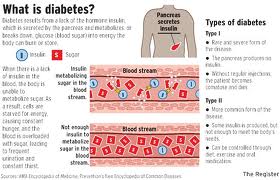
Fortunately, there is compelling evidence that coffee’s positive effects greatly outweigh the negative. Studies have shown that although caffeine may be addictive, most that drink coffee do so out of the pleasure of its aroma and flavor (www.medicinenet.com). A Harvard Women’s Health Watch study (www.health.harvard.edu) has revealed that moderate drinking may offer some health benefits. Research has shown that moderate consumption may also reduce the risk of type 2 diabetes than those who do not drink coffee. Type 2 diabetes is the most common form of diabetes found today. Although millions have been diagnosed with type 2 diabetes, many more are not aware that they have the disease. In type 2 diabetes, the body does not make enough insulin, or the cells ignore the insulin it produces. Insulin is important because it helps break down glucose, which is made from the sugars and starches we consume, and provide energy for the cells. When the glucose is not utilized by the body and continues to build up due to Type 2 diabetes, it can cause severe health issues. Coffee may contain chemicals that lower blood sugar as well as increase your resting metabolism rate, which may forestall the development of diabetes. Furthermore, coffee may also reduce the potential for gall stones, help prevent colon cancer, reduce the risk for liver and Parkinson’s disease (www.physorg.com).

One of the most interesting discoveries of coffee’s benefits is that it may be a buffer for the liver against alcohol. In a report first published in 1992 in the Archives of Internal Medicine (http://seattletimes.nwsource.com), from 125,500 Kaiser Permanente health plan members, heavy alcohol drinkers cut their chance for cirrhosis of the liver by 20% per cup of coffee. Cirrhosis is a condition in which the liver slowly deteriorates and malfunctions due to chronic injury. Scar tissue replaces healthy liver tissue, partially blocking the flow of blood through the liver. A healthy liver is able to regenerate most of its own cells when they become damaged. With end-stage cirrhosis, the liver can no longer effectively replace damaged cells. A healthy liver is necessary for survival. (www.medicinenet.com). The researchers surmise that when the liver metabolizes coffee, a side effect is the inhibition of inflammation of the liver when alcohol is present. Studies in the Harvard Health Letter further suggest that coffee may be able to fight liver cancer. In a recent study, coffee drinkers were 50% less likely to develop liver cancer than non drinkers (www.health.harvard.edu).

Caffeine has also shown to increase the production of dopamine in the brain; dopamine is a chemical integral to pleasure and stimulation. What is dopamine? Dopamine, as described by Phillip Newton, PhD, “ is a neurotransmitter, one of those chemicals that are responsible for transmitting signals in between the nerve cells (neurons) of the brain.” (www.psychologytoday.com) Very few neurons actually make dopamine. Some, in a part of the brain called the substantial nigra, are the cells that die during Parkinson’s disease. This is important because it’s been shown that coffee can help prevent Parkinson’s disease. Parkinson’s disease is a progressive nervous system disorder that affects movement. It starts gradually with a barely noticeable tremor, but can include the slowing or freezing of movement. Speech becomes jumbled or slurred and eventually all these symptoms become worse with time as the disease progresses. There is no cure for this disease. The cells that produce dopamine are also the same ones that cause Parkinson’s, and if the cells are busy making dopamine, they are not working on the disease. It is important to note that this benefit against Parkinson’s is evident only in males. One theory suggests that the hormone estrogen in women prevents this beneficial effect of coffee (www.health.harvard.edu).


Coffee is also rich in antioxidants - vitamins, minerals, and enzymes long known to fight against ageing and disease. In a study conducted at University of Scranton, in Pennsylvania, it was discovered that, of 100 popular food items generally consumed by people in the US on a daily basis, coffee offered the most antioxidants at 1,299 milligrams daily; the second highest was tea at 294 (www.psychologytoday.com). Generally, antioxidants are found most in fruits, vegetables, and herbs. However, because few people eat the necessary amounts of fruits in vegetables, but drink large amounts of coffee, which has become the dominant source of antioxidants in the American diet.

So the question remains: Is coffee a poison or a panacea? It’s hard to refute the impact that coffee has had on the world’s history. It has spurred religious fervor in both the Muslim and Catholic Church, not without controversy mind you. Coffee fueled the growth of economies and exploration during its early expansion. The Dutch traders not only were instrumental in the hooking the Western World onto the coffee craze, but they also helped develop and expand the reach of the western world into the undiscovered new world. From the planting, growing, distribution, and sale, coffee today holds pride of place as one of the top commodities traded in the world. This impact has, in some way, changed in the way people treat with their fellow man. The Fair Trade act, which began with the coffee trade but now, includes many other industries that affect third world countries, has allowed the profits from this economic juggernaut to be spread more evenly to the farmers who provide this vital bean to the world. Grassroots movements led by the coffee consumer have brought the recognition that, if we do not help small grower succeed, then the coffee industry will fail. With regards to the medical impact of coffee, it’s hard to refute the benefits that coffee potentially has on humans. The studies have shown that coffee can have a positive impact on some of the most prevalent diseases that afflict mankind today. Studies continue to discover further the value that coffee could bring and it all looks good. The important thing to remember, as with anything, is that moderation is the key. When one takes in too much of anything, regardless of whether it is considered “good for you”, it will have detrimental consequences. Instead, I suggest that you take pleasure in your cup, or cups, of coffee. Enjoy the aroma and the flavor and remember that coffee is your friend.